Water Testing: How to Know Exactly Which Treatment System Your Home Needs
February 13, 2026
Clean, great-tasting water is something most homeowners assume comes straight from the tap. Yet behind the clear appearance, your water can contain minerals, chemicals, metals, microorganisms, and other contaminants that silently affect your plumbing, appliances, skin, health, and overall quality of life. The reality is simple: no two homes have the exact same water issues, even if they’re drawing from the same city supply or private well. That’s why guessing at water treatment — or buying whatever system sounds “best” — often leads to wasted money and unresolved problems. Targeted testing highlights source-specific issues, from iron and hardness to chlorine byproducts and bacterial concerns. With clear data, you avoid guesswork, protect investments, and select treatments tailored to your household’s usage patterns, budget, and long-term goals with confidence and precision.
Across the water purification industry, one principle remains consistent: testing comes first. Comprehensive water testing reveals what’s actually present in your water, at what levels, and whether those findings fall above recommended guidelines. Only then can professionals identify the right treatment system — and ensure it performs the way it should. Whether you’re worried about staining, strange odors, limescale buildup, or potential health risks, understanding what testing shows — and how results translate into real-world solutions — is the smartest first step toward cleaner, safer water at home. Results guide decisions like installing softeners, reverse-osmosis units, carbon filtration, or ultraviolet disinfection. They also uncover maintenance needs and plumbing vulnerabilities, helping homeowners prioritize upgrades, compare options realistically, and verify performance through follow-up testing and simple, trackable benchmarks over time.
Why Water Testing Matters Before Choosing Any System
Hidden contaminants you can’t see
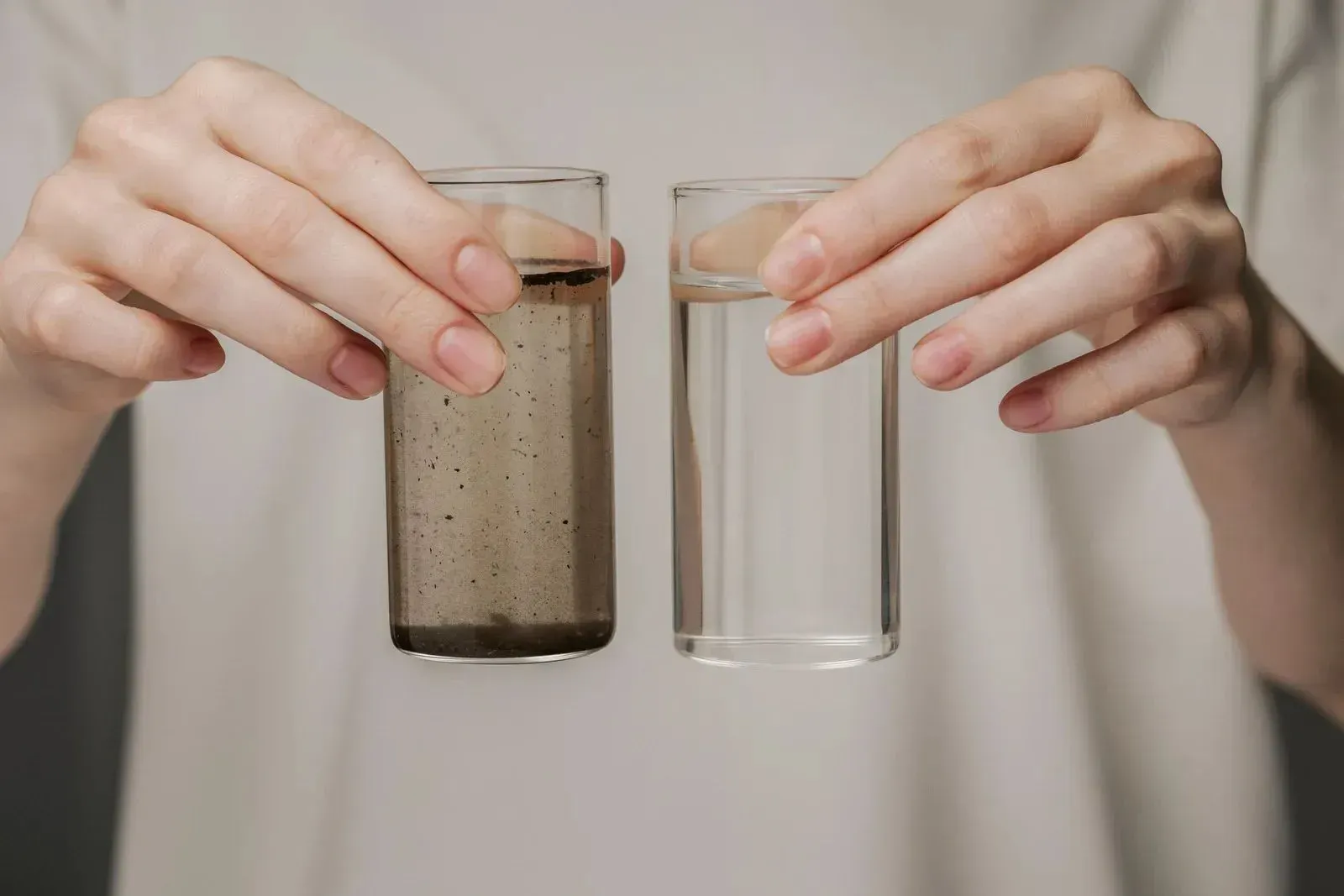
Many water contaminants are colorless, odorless, and tasteless. Chlorine, lead, nitrates, PFAS, volatile organic compounds (VOCs), and bacteria may go completely unnoticed until health or plumbing issues appear. Relying on appearance alone creates a false sense of security.
Even “safe-looking” water can still exceed recommended limits, making testing the only reliable way to know what you’re really drinking.
Testing prevents unnecessary guesswork
Homeowners often purchase filters based on ads or recommendations — only to find the problem persists. Water softeners don’t fix bacterial contamination. Pitcher filters don’t remove heavy metals. Reverse osmosis systems won’t solve iron staining without pretreatment. Accurate testing prevents mismatched solutions.
Instead of troubleshooting by trial and error, testing guides you directly to the right solution the first time.
Protecting your home investment
Unchecked contaminants corrode pipes, clog water heaters, destroy fixtures, and shorten appliance life. Testing allows targeted treatment that protects plumbing, reduces maintenance costs, and extends equipment lifespan.
Over time, the savings gained from preventing damage can outweigh the cost of testing and treatment entirely.
Different smells point to different things in the water, and knowing what they typically indicate makes the change far less mysterious. These are the common ones in our area.
Practical Implications for Homeowners
Homes with long water retention times may benefit from the stability of chloramine. However, without proper filtration, chloramine can lead to gradual scaling in pipes or impact water-using appliances. Awareness of these factors allows homeowners to select the right point-of-use filtration or whole-house system to maintain water quality while protecting plumbing infrastructure.
Types of Water Tests — And What Each Reveals
Basic vs. comprehensive testing
A simple in-home test may check hardness, pH, iron, and chlorine — useful, but limited. Comprehensive lab testing evaluates dozens of potential contaminants, including heavy metals, pathogens, pesticides, and industrial chemicals.
This deeper look helps ensure nothing important is overlooked when selecting a treatment system.
Municipal water vs. well water
Municipal water is disinfected and regulated, but secondary contaminants still appear through aging pipes, infrastructure failures, or household plumbing. Well water, on the other hand, is unregulated and directly influenced by soil, agriculture, septic systems, and runoff.
Because the risks differ, testing strategies for city water and private wells aren’t always the same.
Common test categories
- Physical characteristics: color, odor, turbidity
- Minerals: hardness, iron, manganese
- Metals: lead, copper, arsenic
- Chemicals: chlorine, chloramines, PFAS, nitrates
- Biological: coliform bacteria, E. coli
- Corrosivity factors: pH, alkalinity, TDS
- Understanding the category helps professionals match contaminants to the right technology rather than relying on trial and error. It also helps homeowners understand why one home may need multiple treatment stages while another may not.
How Test Results Translate Into Treatment Solutions
Hard water and mineral scaling
Problem: Spots on glassware, dry skin, clogged showerheads, scale in water heaters.
Solution: A water softener using ion exchange removes calcium and magnesium, reducing buildup and extending appliance life.
With softer water, cleaning becomes easier and appliances operate more efficiently.
Chlorine and taste/odor issues
Problem: Strong swimming-pool smell, unpleasant taste, irritated skin.
Solution: Activated carbon filtration reduces chlorine, chloramines, and many organic compounds for better-tasting, gentler water.
It’s one of the simplest upgrades, yet it dramatically improves daily water use.
Iron and manganese staining
Problem: Orange, brown, or black stains on sinks, toilets, and laundry.
Solution: Oxidation and filtration — often paired with specialized media — eliminate staining minerals before they reach indoor plumbing.
Properly sized systems prevent recurring stains instead of just masking the problem.
Heavy metals and chemical contamination
Problem: Lead, arsenic, nitrates, or PFAS detected at concerning levels.
Solution: Reverse osmosis systems or multi-stage filtration designed specifically for hazardous contaminants, often installed at drinking water taps.
These systems focus on health protection and are typically used where water is consumed.
Bacterial contamination
Problem: Positive test for coliform or E. coli.
Solution: UV disinfection or chlorination — but ONLY after identifying the contamination source and addressing potential well or plumbing issues.
Treating symptoms without finding the source increases the risk of recurring contamination.
The key takeaway: every contaminant has a specific treatment approach. Testing shows exactly which approach works — and whether multiple systems must work together.
That precision is what ensures long-term safety and performance.
Consider whole-home vs. point-of-use
Best Practices When Testing and Treating Your Home’s Water
Test before — and after — installation
Initial testing guides system selection. Follow-up testing confirms the system is doing its job and ensures ongoing protection. Without verification, homeowners have no proof that their investment is actually working.
Choose certified equipment
Look for systems certified by NSF, WQA, or similar third-party organizations. Certification confirms that performance claims match reality. Certification also simplifies comparisons between different brands and technologies.
Maintain and monitor regularly
Filters clog. Media becomes saturated. UV lamps weaken. Neglecting maintenance eventually returns water problems you thought were solved. Scheduled service keeps performance consistent. Routine checkups help avoid unexpected failures and emergency repairs.
Consider whole-home vs. point-of-use
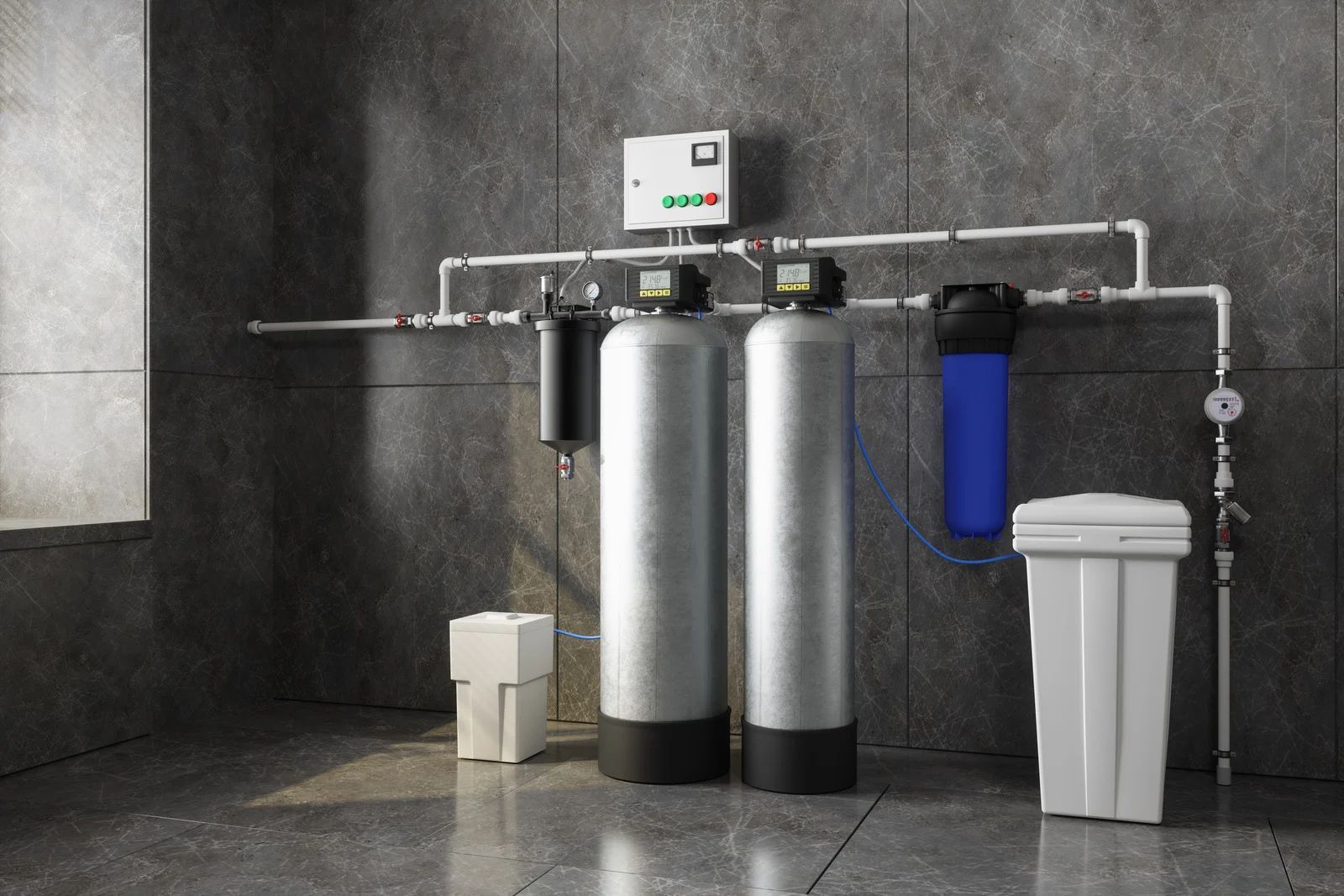
Whole-home systems protect plumbing and appliances. Point-of-use systems protect drinking and cooking water. Many homes benefit from both, depending on test results. A layered strategy often offers the best balance between cost and coverage.
Involve professionals
DIY test kits are helpful, but professional analysis delivers accuracy, interpretation, and real recommendations — not guesswork. A trained eye can spot patterns in results that might otherwise be missed.
Responsible Water Usage
Florida’s aquifer system is a finite resource, and excessive water use can reduce water quality and long-term availability. Limiting water waste, repairing leaks promptly, and avoiding over-irrigation of lawns and gardens help maintain aquifer balance and protect the long-term water supply for residential and community use.
Real-World Scenarios That Show Why Testing Matters
Scenario 1: The cloudy-water mystery
A homeowner bought multiple filters to fix cloudy water. Testing revealed trapped air from pressure fluctuations — not contamination. The solution: plumbing and well adjustments, not filtration. If they hadn’t tested, they would have continued replacing filters indefinitely.
Scenario 2: Persistent rust stains
A family installed a softener expecting iron removal. It didn’t work because their iron required oxidation first. After testing, a dedicated iron filter solved the issue immediately. The right diagnosis turned frustration into a permanent fix.
Scenario 3: Safe-looking water with hidden risk
Crystal-clear well water tested positive for coliform bacteria. A UV system paired with well remediation delivered safe drinking water without altering taste. This situation proves that visual clarity alone is never an accurate safety indicator.
Each scenario highlights the same truth: without water testing, homeowners pay more and solve less. Testing first saves time, money, and unnecessary stress.
Choosing the right water treatment system doesn’t start with shopping lists, comparison charts, or trend-driven recommendations. It begins with accurate, comprehensive water testing that reveals what’s happening inside your pipes, fixtures, and glass. Testing eliminates uncertainty, protects your investment, and ensures every dollar spent on purification delivers measurable results. From mineral hardness and staining issues to serious health-related contaminants, laboratory-driven insights make treatment choices precise rather than experimental.
If you want cleaner water, better-performing appliances, healthier skin, and long-term peace of mind, testing first is the smartest and most responsible step. The clearer your data, the clearer your water — and the easier it becomes to choose a system designed specifically for your home.
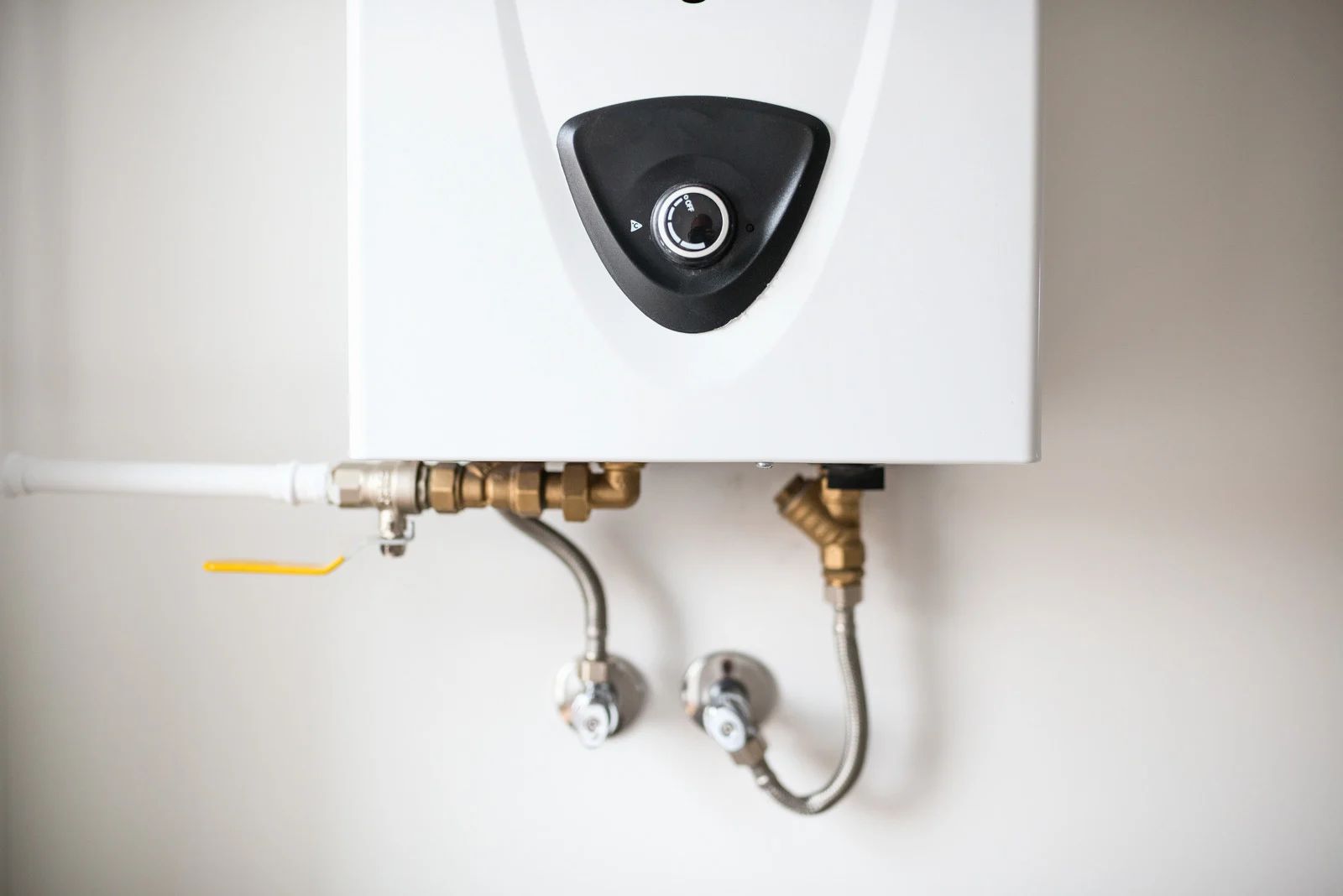
Hard water accelerates wear on several critical components, including:
Heating Elements
Mineral buildup causes overheating and premature failure.
Thermostats
Extended operating cycles place additional stress on temperature control systems.
Pressure Relief Valves
Scale accumulation may interfere with proper valve operation.
Heat Exchangers
Restricted flow and excessive heat retention can damage sensitive components.
These issues often result in repeated service calls and replacement expenses.
Professional Water Solutions Built Around Your Needs
At Love My Home Water Solutions, we believe water quality deserves more than guesswork. As a trusted provider of Water Purification Services in DeBary, FL, we’ve helped homeowners understand — and solve — complex water challenges for 28 years. Our approach always starts with professional water testing, because accurate information leads to smarter decisions, better protection, and lasting results.
Our team carefully reviews test findings, explains what they mean in everyday language, and recommends systems tailored to each home’s unique water profile. Whether the solution calls for whole-home conditioning, iron removal, reverse osmosis, UV disinfection, or a combination of technologies, our goal is the same: deliver water that’s cleaner, safer, and more dependable day after day.
From installation to maintenance and ongoing support, we stand behind every system we recommend. Homeowners choose us not just for equipment, but for guidance, accountability, and confidence that their water is truly handled the right way. When you’re ready to understand what’s in your water — and choose a treatment system designed with precision — Love My Home Water Solutions is here to help.
ADDITIONAL BeaRS STORIES