How Water Purification Can Save You Money on Plumbing Repairs and Appliances
December 16, 2025
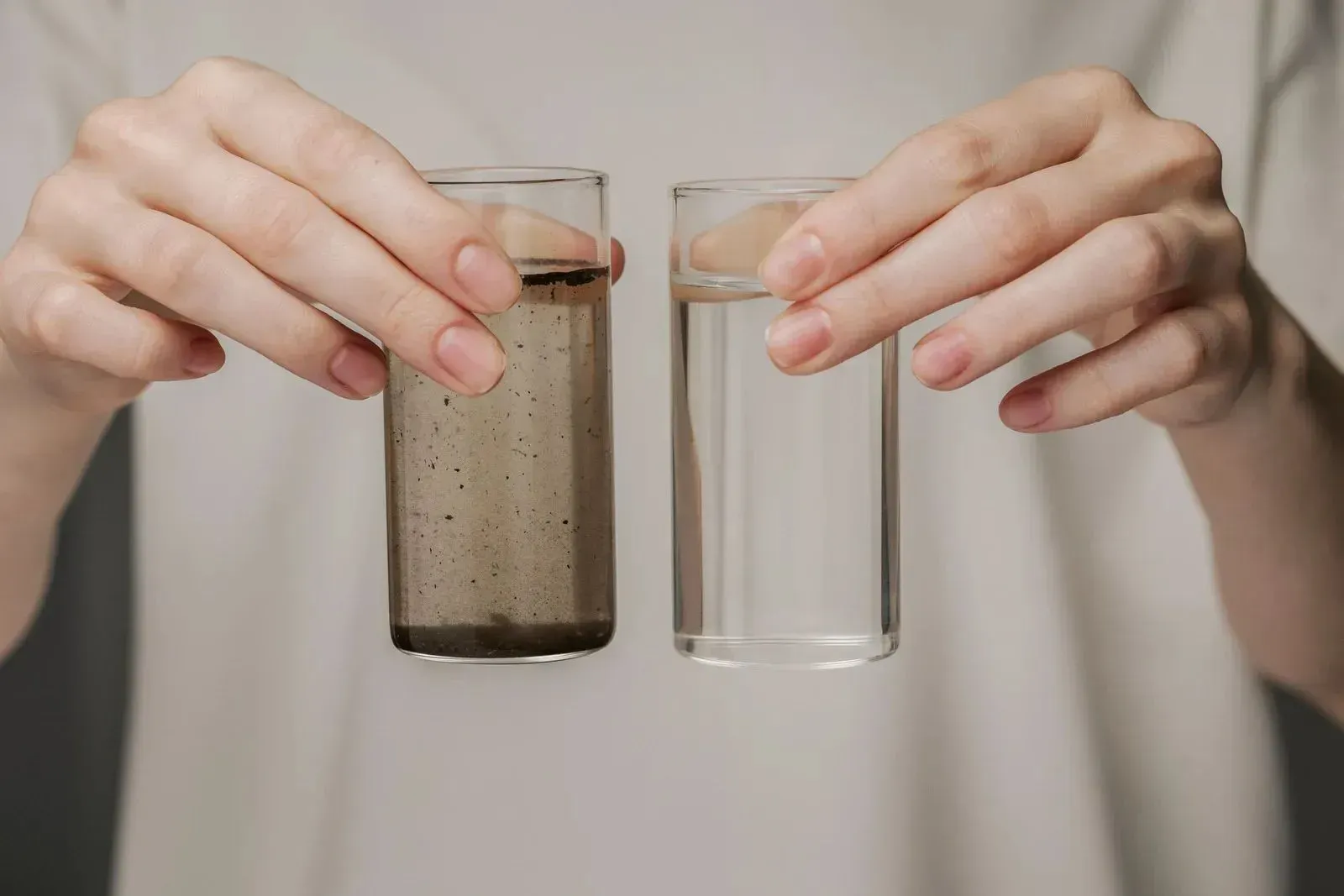
Clean water is essential not only for health but also for maintaining the longevity of your home’s plumbing system and appliances. Many homeowners focus primarily on water quality for drinking purposes, overlooking the broader implications of unpurified water on pipes, fixtures, and household equipment. Over time, hard water, sediment, and contaminants can accumulate inside plumbing systems, leading to corrosion, clogs, and inefficient appliance operation. Addressing these issues before they escalate can save homeowners significant repair and replacement costs, making water purification a crucial investment.
Implementing an effective water purification system can prevent many common problems associated with untreated water. From mineral buildup in water heaters to premature wear in dishwashers and washing machines, the hidden costs of poor water quality can be substantial. Beyond the financial benefits, purified water also enhances the performance of everyday appliances, reduces energy consumption, and improves overall home hygiene. For homeowners looking to protect both their investment and their comfort, understanding the link between water purification and reduced plumbing and appliance issues is more relevant than ever. This guide explores actionable insights, practical examples, and best practices to show how water purification can serve as a cost-saving strategy.
The Hidden Costs of Untreated Water
Mineral Buildup and Hard Water
One of the most common issues caused by untreated water is hard water, which contains high levels of calcium and magnesium. Over time, these minerals accumulate inside pipes, faucets, and appliances. This buildup can reduce water flow, clog plumbing, and decrease the efficiency of water heaters, dishwashers, and washing machines. Homeowners often face higher energy bills as appliances work harder to heat water or complete cycles.
Corrosion and Pipe Damage
Untreated water can also be slightly acidic or contain dissolved metals that accelerate pipe corrosion. Corroded pipes lead to leaks, water discoloration, and even potential structural damage. Replacing corroded plumbing is often a costly and disruptive process, far exceeding the investment required for a reliable water purification system.
Appliance Wear and Tear
Appliances exposed to untreated water experience accelerated wear. Mineral deposits can reduce heating efficiency in water heaters, clog washing machine valves, and leave spots on dishes and glassware. By proactively purifying water, homeowners can extend appliance lifespan, reduce repair costs, and maintain optimal performance without frequent servicing.
Real-World Scenario: A family using untreated well water in DeBary noticed their dishwasher required repairs every 18 months due to mineral buildup. After installing a whole-house water filtration system, repair frequency decreased significantly, and energy consumption dropped by 10%, demonstrating clear financial savings.
Different smells point to different things in the water, and knowing what they typically indicate makes the change far less mysterious. These are the common ones in our area.
Practical Implications for Homeowners
Homes with long water retention times may benefit from the stability of chloramine. However, without proper filtration, chloramine can lead to gradual scaling in pipes or impact water-using appliances. Awareness of these factors allows homeowners to select the right point-of-use filtration or whole-house system to maintain water quality while protecting plumbing infrastructure.
Water Purification Systems: Options and Benefits
Reverse Osmosis Systems
Reverse osmosis (RO) is a highly effective method that removes dissolved minerals, chemicals, and contaminants from water. While often installed at a single point, like the kitchen sink, RO systems can significantly reduce scaling in appliances, resulting in fewer repairs and lower energy costs.
Water Softeners
Water softeners target hard water by replacing calcium and magnesium ions with sodium or potassium. This reduces mineral buildup in pipes and appliances, helping prevent clogs and corrosion. Softened water also improves soap efficiency, meaning homeowners can use less detergent in laundry and dishwashing.
Whole-House Filtration
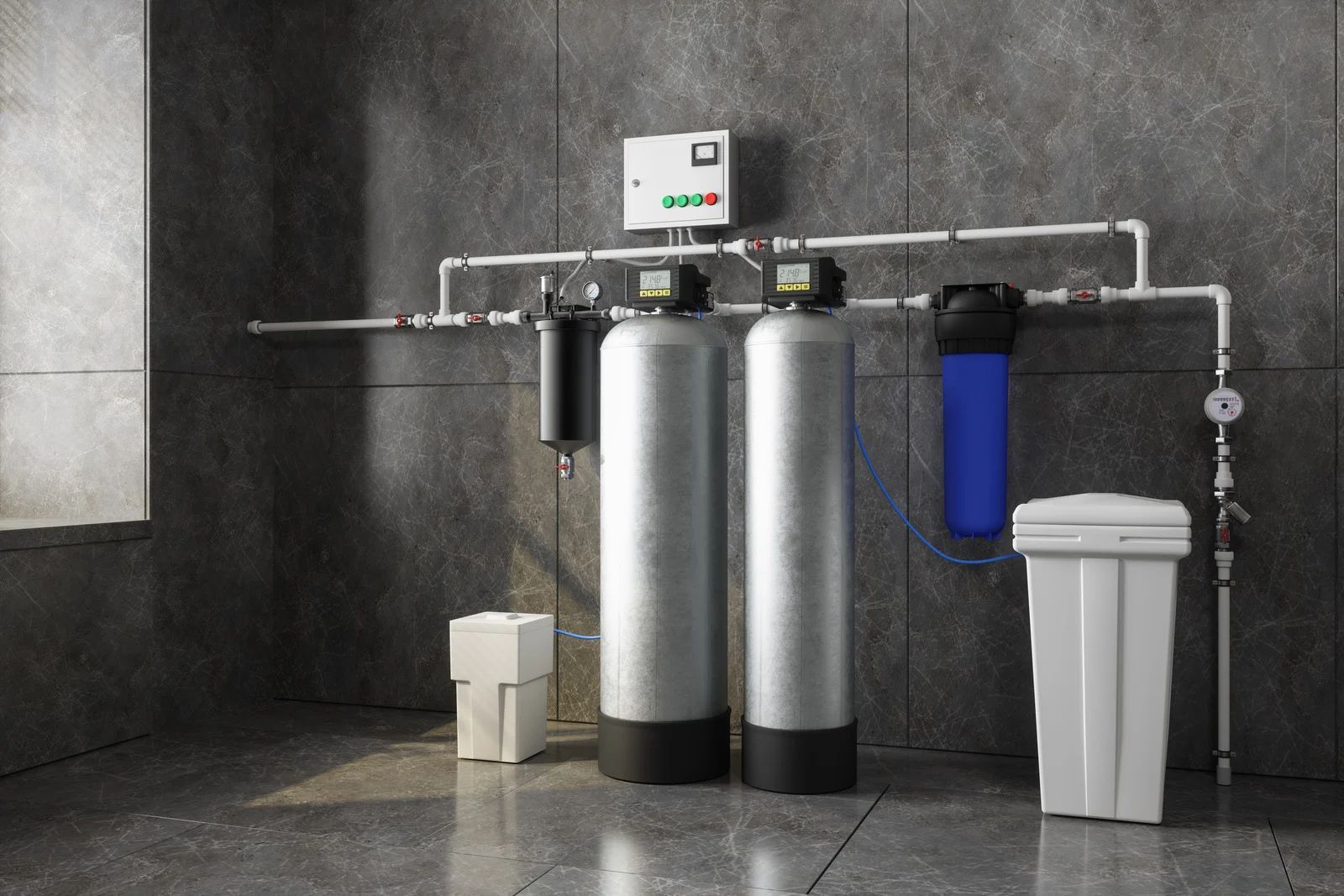
Whole-house filtration systems purify water at the point of entry, ensuring every tap delivers cleaner water. These systems protect plumbing, appliances, and even water-dependent HVAC units, offering a comprehensive approach to cost savings.
Expert Insight: Investing in a whole-house purification system can be more cost-effective over time than frequently repairing appliances or replacing corroded pipes. While upfront costs may seem high, the long-term reduction in maintenance bills often outweighs the initial expense.
Preventing Plumbing Problems with Purified Water
Reduced Scale and Sediment
Sediment and scale accumulation are primary causes of slow drains and pipe blockages. Water purification systems, especially those with sediment filters, prevent debris from entering plumbing networks. This reduces the likelihood of clogs and the need for professional drain cleaning services.
Lowering Corrosion Risks
Corrosion can be subtle but devastating. Certain water purification technologies adjust pH levels and remove aggressive minerals or chemicals that wear down metal pipes. Consistently purified water helps maintain the integrity of plumbing, reducing leaks and emergency repair costs.
Protecting Water Heaters
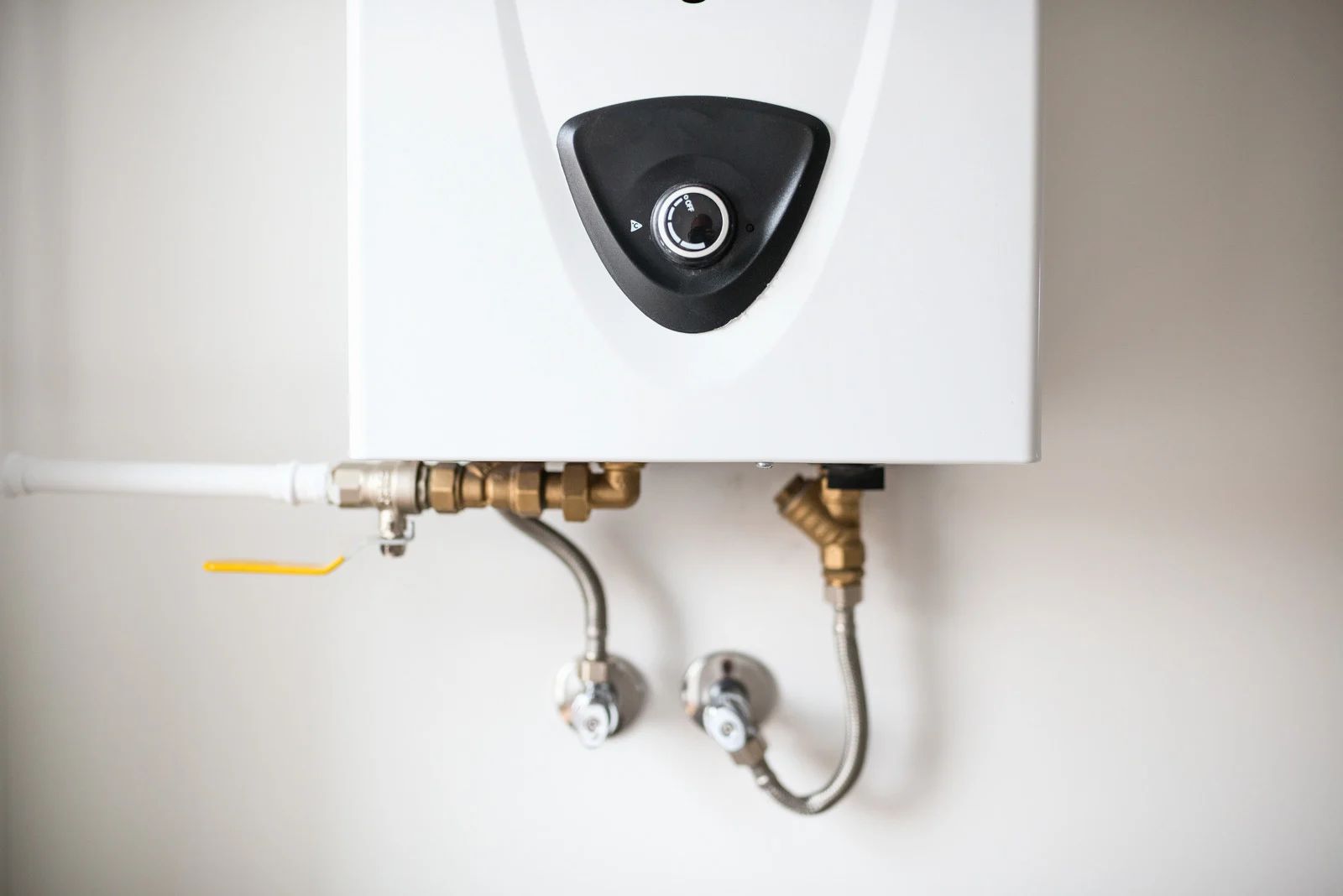
Water heaters are particularly vulnerable to mineral buildup. Scale inside the tank decreases heating efficiency and can lead to premature failure. Purified water minimizes this risk, allowing the heater to operate optimally and extend its service life.
Case Study: In a household with a 10-year-old water heater, introducing a water softener reduced sediment accumulation. Maintenance visits dropped from twice a year to once every three years, saving hundreds of dollars in service fees and energy costs.
Enhancing Appliance Lifespan and Efficiency
Washing Machines and Dishwashers
Mineral deposits affect washing machine drums, heating elements, and dishwasher spray arms. Hard water leads to fabric stiffness and dish spotting. Purified water prevents these issues, allowing appliances to function more efficiently and maintain performance over time.
Refrigerators and Ice Makers
Appliances that rely on water supply lines, such as refrigerators with ice and water dispensers, are prone to clogging from sediment and scale. Filtration ensures clean water flows through these appliances, reducing the risk of blockages, mold growth, and mechanical wear.
Water Heaters and Boilers
Purified water reduces mineral buildup in water heaters, boilers, and radiant heating systems. This maintains energy efficiency, prevents overheating, and extends the operational life of these units.
Example: A home in Florida installed a reverse osmosis system connected to the kitchen and laundry appliances. Within a year, the washing machine required no repairs, and energy bills decreased due to better heating efficiency, highlighting tangible savings.
Best Practices for Maximizing Savings
Regular Maintenance
Even the best water purification systems require periodic maintenance. Changing filters on schedule, flushing the system, and monitoring water quality ensures consistent performance. Neglecting maintenance can reduce efficiency and allow contaminants to pass through, defeating cost-saving benefits.
Choosing the Right System
Select a purification method based on water analysis and household needs. Hard water requires softening, while chemical or sediment issues may call for RO or whole-house filtration. Tailoring the system to specific water conditions maximizes protection for plumbing and appliances.
Professional Installation
Proper installation is critical for system efficiency. Incorrectly installed systems can leak, reduce water pressure, or fail to remove contaminants. Hiring experienced professionals ensures the system operates as designed, providing long-term savings.
Monitoring Water Quality
Testing water periodically helps homeowners track improvements and detect potential issues early. Monitoring metrics like hardness, pH, and contaminant levels allows proactive adjustments to the purification system.
Tip: Combine a water softener with sediment filtration to protect both plumbing and appliances comprehensively, resulting in fewer repair costs and longer appliance life.
Addressing Challenges and Misconceptions
Initial Investment Concerns
Some homeowners hesitate due to the upfront cost of purification systems. While installation requires capital, the savings from reduced repairs, lower energy bills, and extended appliance lifespan usually offset initial expenses within a few years.
Maintenance Misconceptions
Many assume water purification systems are “set and forget.” In reality, ongoing maintenance is essential to maintain effectiveness. Regular inspections and timely filter replacements prevent issues before they impact plumbing or appliances.
Misunderstanding Water Quality
Homeowners may overlook invisible contaminants like dissolved minerals, chlorine, and metals. These elements silently degrade pipes and appliances over time. Understanding that water quality impacts household infrastructure is key to realizing the financial benefits of purification.
Example: A study by the Water Quality Association found that households using untreated water spend 30% more on plumbing repairs and appliance replacements over a decade compared to those using properly maintained purification systems.
Additional Benefits of Water Purification
Energy Efficiency
Purified water reduces scaling in heating elements, improving energy efficiency. Appliances consume less power to heat water or perform cycles, resulting in lower utility bills.
Health and Hygiene
Beyond financial savings, water purification ensures safer water for drinking, cooking, and bathing. Reduced contaminants prevent potential health issues, indirectly reducing costs related to illness or medical care.
Environmental Impact
By prolonging appliance and plumbing lifespan, water purification reduces waste and the environmental footprint associated with replacing equipment. Sustainable practices in the home contribute to both savings and environmental responsibility.
Insight: Investing in water purification is not only a cost-saving measure but also a step toward a more sustainable and energy-efficient home, making it a win-win for homeowners.
Hard water accelerates wear on several critical components, including:
Heating Elements
Mineral buildup causes overheating and premature failure.
Thermostats
Extended operating cycles place additional stress on temperature control systems.
Pressure Relief Valves
Scale accumulation may interfere with proper valve operation.
Heat Exchangers
Restricted flow and excessive heat retention can damage sensitive components.
These issues often result in repeated service calls and replacement expenses.
Extend Appliance Lifespan With Purified Water Systems
Investing in water purification delivers measurable savings by reducing the frequency of plumbing repairs, extending the life of household appliances, and improving energy efficiency. Untreated water, particularly when hard or mineral-laden, causes scaling, corrosion, and sediment buildup, all of which increase maintenance costs. Homeowners who implement effective purification systems benefit from smoother plumbing operations, more reliable appliances, and lower utility bills. Proactive water treatment also enhances overall water quality, contributing to healthier homes and reduced environmental impact.
For homeowners in DeBary and surrounding areas, Love My Home Water Solutions provides expert guidance and professional installation of water purification systems. With 28 years of experience, the company understands local water conditions and tailors solutions to protect your plumbing and appliances. From selecting the ideal filtration system to ongoing maintenance and support, Love My Home Water Solutions ensures lasting efficiency, reliability, and peace of mind. Trust in their expertise to safeguard your home, reduce repair costs, and maximize the value of your appliances for years to come.
ADDITIONAL BeaRS STORIES