Why Coastal Communities Like Daytona Beach & New Smyrna Need Specialized Water Filtration
May 5, 2026
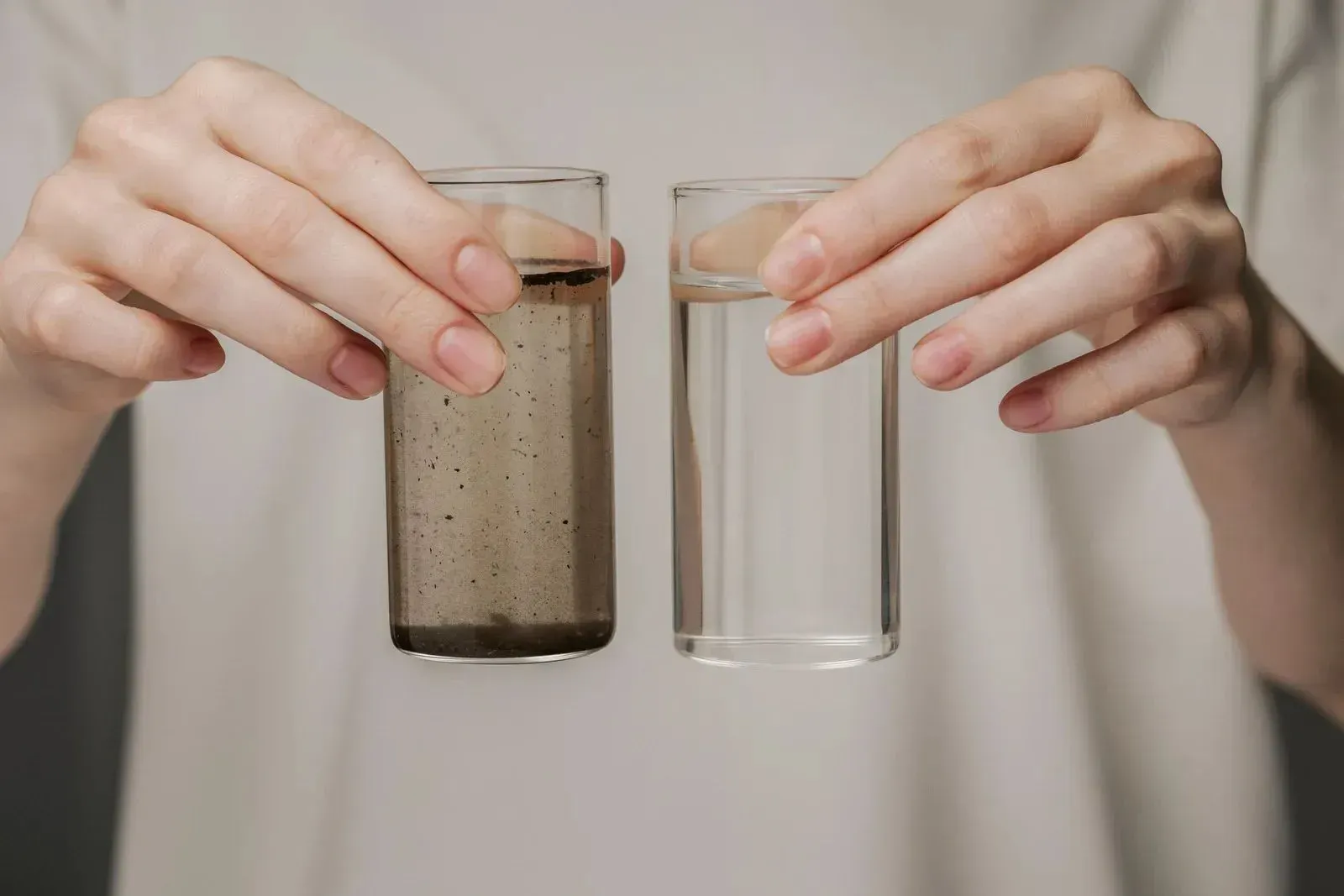
Coastal communities in Florida, such as Daytona Beach and New Smyrna, face unique water challenges that can impact both daily living and long-term health. Unlike inland areas, coastal regions contend with higher levels of salt, minerals, and naturally occurring sediments that enter the water supply from rivers, estuaries, and the Atlantic Ocean. While municipal water systems treat these contaminants to meet federal standards, many residents still notice taste, odor, or minor residue issues. Beyond aesthetics, subtle impurities can affect household plumbing, appliances, and even personal health, making specialized water filtration more than a convenience—it becomes a necessity.
Understanding the intricacies of local water chemistry is critical for maintaining safe, clean, and enjoyable water at home. Factors such as seasonal rainfall, storm surges, and occasional algal blooms can temporarily alter water composition, creating variability that standard filtration methods may not adequately address. Homeowners in coastal areas benefit from filtration solutions designed specifically to handle salt intrusion, heavy minerals, and microbial contaminants. By implementing tailored systems, water becomes not only safer to drink but also more efficient for everyday household use, protecting both health and property while ensuring reliable water quality year-round.
1. Unique Water Quality Challenges in Coastal Regions
Salt Intrusion and Corrosion
Saltwater intrusion is a common issue for areas near the Atlantic coastline. When underground aquifers or wells mix with seawater, sodium and chloride concentrations rise, affecting both taste and safety. Elevated salt levels accelerate corrosion in pipes and fixtures, shortening the lifespan of plumbing systems and home appliances. Specialized water filtration systems with reverse osmosis (RO) or ion exchange capabilities can effectively reduce salt content, protecting plumbing infrastructure while providing fresh-tasting water.
Mineral Content Variability
Coastal water often carries higher concentrations of calcium, magnesium, and other minerals, contributing to hardness. Hard water can cause scale buildup on faucets, showerheads, and water heaters, reducing efficiency and increasing energy costs. Systems featuring multi-stage filtration or water softening technologies mitigate these issues, preventing damage and extending the life of household appliances.
Microbial Risks
Coastal water sources are more susceptible to microbial contamination due to fluctuating water levels, runoff, and natural ecosystems. While municipal treatment reduces harmful bacteria, residual microbes such as E. coli or coliforms may remain. UV filtration and high-quality carbon systems add an extra layer of protection, ensuring water is safe for drinking, cooking, and bathing.
Different smells point to different things in the water, and knowing what they typically indicate makes the change far less mysterious. These are the common ones in our area.
2. Seasonal and Environmental Influences
Stormwater Runoff and Flooding
Heavy rainfall and storm events in Daytona Beach and New Smyrna can overwhelm drainage systems, introducing sediments, organic debris, and pollutants into local water supplies. Even treated municipal water may carry trace sediments or chlorine byproducts, affecting clarity and taste. Sediment pre-filters, carbon blocks, and UV sterilization can address these seasonal variations, maintaining consistent water quality.
Algal Blooms and Water Discoloration
Coastal areas often experience algal blooms in rivers and estuaries, especially during warm months. Algae release compounds that can affect water odor and coloration. Standard water treatment may not fully remove these compounds, leaving a noticeable taste or smell. Activated carbon filtration effectively absorbs these organic compounds, providing clean, odor-free water even during bloom events.
Temperature and Chemical Interactions
Higher temperatures in coastal Florida can accelerate chemical reactions in water, affecting chlorine residuals and increasing the presence of byproducts like chloramines. Specialized filtration systems designed to remove chlorine, chloramines, and other chemical residues enhance both taste and safety. Home filtration tailored to local conditions ensures water remains high-quality despite seasonal and environmental fluctuations.
3. Benefits of Specialized Water Filtration Systems
Health Protection
Contaminants, even in low concentrations, can impact health over time. Sodium, heavy minerals, and microbial residues can exacerbate hypertension, kidney concerns, and skin irritation. Advanced filtration systems reduce these risks, providing water that supports overall well-being. Reverse osmosis, UV sterilization, and activated carbon filtration work together to ensure the water consumed daily is safe and clean.
Appliance Longevity and Maintenance
Hard water, high salt content, and sediment buildup can quickly degrade appliances such as water heaters, dishwashers, and washing machines. Filtration systems tailored to coastal water conditions prevent mineral scaling and corrosion, reducing maintenance needs and prolonging appliance life. Homes equipped with such systems experience fewer plumbing issues and lower energy costs.
Enhanced Taste and Aesthetic Quality
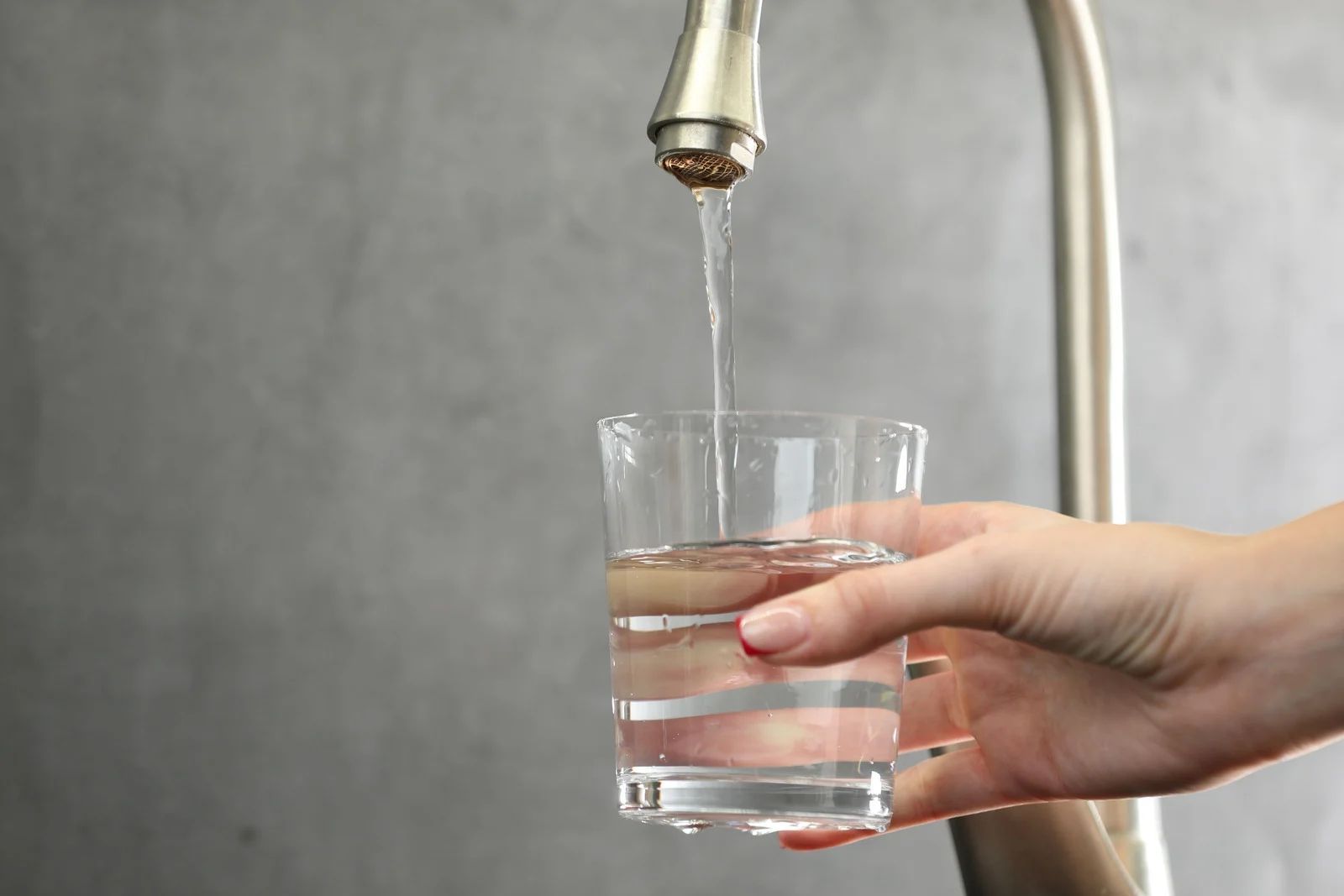
Specialized filtration improves taste, odor, and clarity, creating a more enjoyable water experience. Water that tastes clean encourages proper hydration, improves the quality of cooking, and supports better hygiene. Even minor adjustments, like removing residual chlorine or chloramines, can significantly enhance water quality in everyday use.
Environmental Responsibility
Reducing reliance on bottled water is an indirect benefit of home filtration. High-quality systems produce safe drinking water on demand, cutting down on plastic waste and transportation emissions. Coastal communities, often sensitive to environmental changes, benefit from practices that support sustainability and resource conservation.
4. Types of Filtration Solutions for Coastal Homes
Reverse Osmosis (RO) Systems
RO systems are highly effective at removing dissolved salts, heavy metals, and chemical contaminants. For coastal regions experiencing saltwater intrusion, RO filtration provides a reliable method to ensure safe drinking water. These systems also help reduce hardness, protecting plumbing and appliances.
Activated Carbon Filtration
Activated carbon is particularly effective against chlorine, chloramines, pesticides, and organic compounds. Carbon filters improve taste and odor while reducing chemical exposure, making them essential for homes in areas affected by seasonal runoff or algal blooms.
UV Sterilization
UV filtration targets microbial contaminants that traditional chemical treatments may not fully eliminate. By exposing water to ultraviolet light, bacteria, viruses, and protozoa are neutralized, offering peace of mind for homeowners concerned about microbial risks from local water sources.
Water Softeners and Multi-Stage Systems
Water softening reduces hardness caused by calcium and magnesium, preventing scale buildup and improving energy efficiency. Multi-stage systems combine sediment filtration, carbon adsorption, and softening technologies to address a wide range of contaminants, ensuring comprehensive water protection tailored to coastal water conditions.
5. Best Practices for Maintaining Safe Water
Regular System Maintenance
Filtration systems require periodic inspection and maintenance to perform optimally. Replacing cartridges, cleaning RO membranes, and monitoring water pressure ensures continued protection. A proactive maintenance schedule helps prevent lapses in water quality and extends system life.
Water Testing and Monitoring
Routine testing of water quality is essential, especially in areas prone to seasonal or environmental changes. Testing for pH, hardness, microbial content, and chemical residues allows homeowners to adjust filtration strategies and ensures consistent water safety.
Professional Consultation and Installation
Proper system installation is critical for effective filtration. Coastal water conditions can vary significantly between properties, making professional assessment and customization necessary. Expert consultation ensures the right combination of technologies addresses local water challenges effectively, providing reliable performance and long-term protection.
Adapting to Seasonal Changes
Coastal water quality can fluctuate due to storms, tides, and seasonal rainfall. Adjusting filtration components, increasing pre-filtration during peak runoff periods, or adding supplemental UV or carbon filtration during algal bloom seasons ensures consistent water safety and quality year-round.
6. Challenges and Considerations
Initial Investment
High-quality filtration systems require upfront investment, which can be significant depending on the technology and scale of installation. However, the long-term benefits—protection of health, appliances, and home infrastructure—often outweigh initial costs. Factoring in reduced maintenance, energy savings, and enhanced water quality justifies the expenditure for most homeowners.
Space and Infrastructure Requirements
Some systems, such as multi-stage RO units, require space for installation and may involve modifications to existing plumbing. Planning for system integration and ensuring adequate water pressure are critical for optimal performance. Customized solutions can minimize disruption while meeting performance needs.
Energy and Water Usage
Certain filtration technologies, particularly RO systems, produce wastewater during operation. Selecting efficient units and maintaining them properly reduces water waste. Coastal homes often benefit from systems designed to balance high filtration efficiency with minimal environmental impact.
Continuous Monitoring
Even with advanced filtration, continuous monitoring is necessary to maintain effectiveness. Seasonal changes, storm events, and unexpected water source variations can introduce new challenges. Implementing monitoring protocols ensures that systems continue to deliver safe, high-quality water at all times.
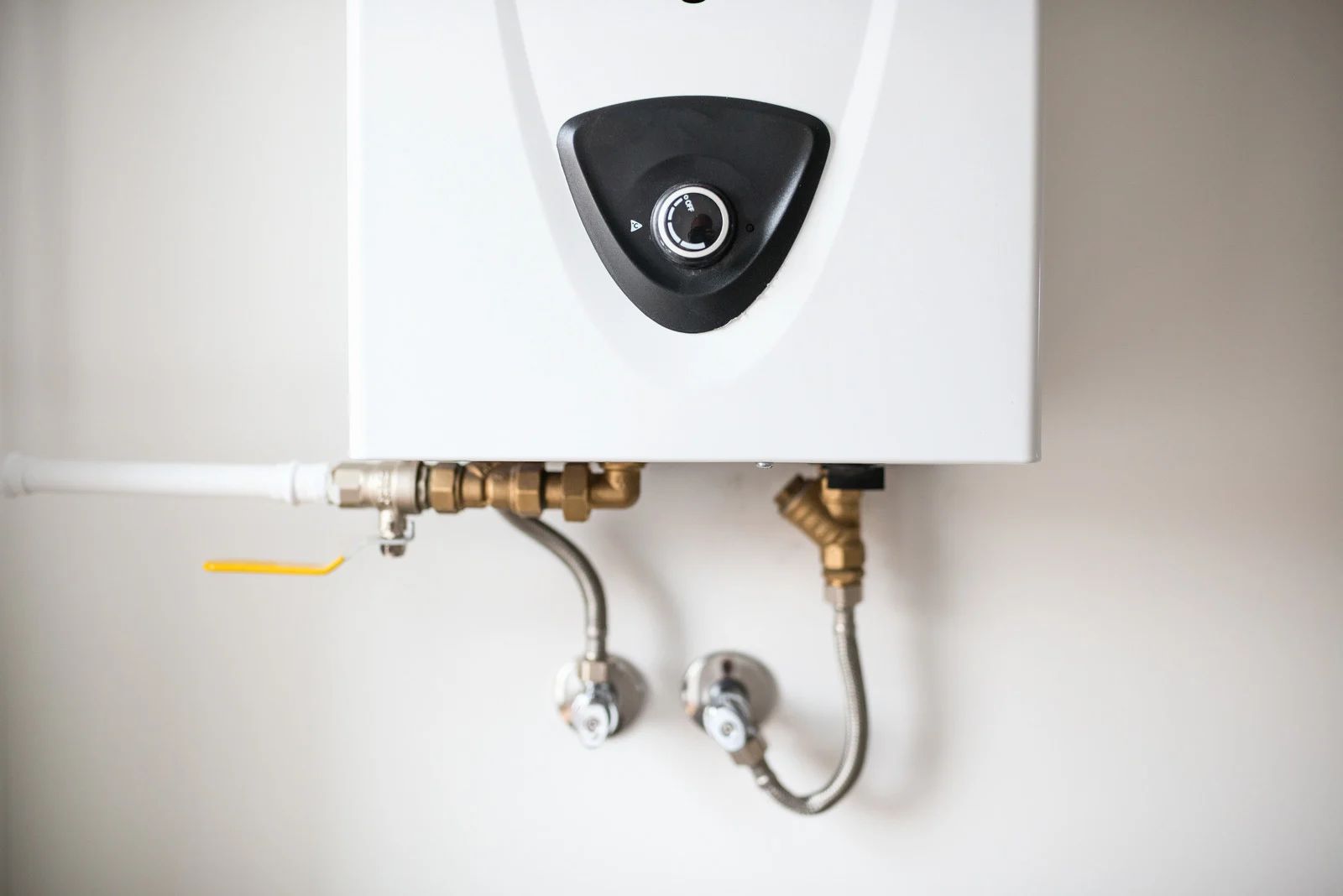
Hard water accelerates wear on several critical components, including:
Heating Elements
Mineral buildup causes overheating and premature failure.
Thermostats
Extended operating cycles place additional stress on temperature control systems.
Pressure Relief Valves
Scale accumulation may interfere with proper valve operation.
Heat Exchangers
Restricted flow and excessive heat retention can damage sensitive components.
These issues often result in repeated service calls and replacement expenses.
Trusted Specialists Protecting Homes from Water Contaminants
Coastal communities like Daytona Beach and New Smyrna face water quality challenges unique to their geographic location. Salt intrusion, mineral variability, microbial presence, and seasonal environmental influences require water filtration solutions tailored specifically for these conditions. Advanced systems, including reverse osmosis, activated carbon filtration, UV sterilization, and water softening, provide comprehensive protection for health, plumbing, and household appliances. Adhering to best practices—regular maintenance, water testing, professional installation, and seasonal adaptation—ensures consistent, high-quality water year-round. The benefits of specialized water filtration extend beyond safety, improving taste, reducing chemical exposure, enhancing appliance longevity, and supporting environmental sustainability.
At Love My Home Water Solutions, providing safe and clean water is our mission. With 28 years of experience delivering water purification services in DeBary, FL, we understand the intricacies of coastal water quality and the solutions that work best. Our expertise ensures reliable, professionally installed filtration systems tailored to each home. We are committed to protecting health, safeguarding property, and improving water quality with proven technology and personalized care. Trust us to deliver consistent results, backed by decades of experience, knowledge, and a dedication to serving the unique needs of coastal homeowners.
ADDITIONAL BeaRS STORIES