Chlorine vs. Chloramine: What’s Really in Central Florida’s Tap Water?
April 10, 2026
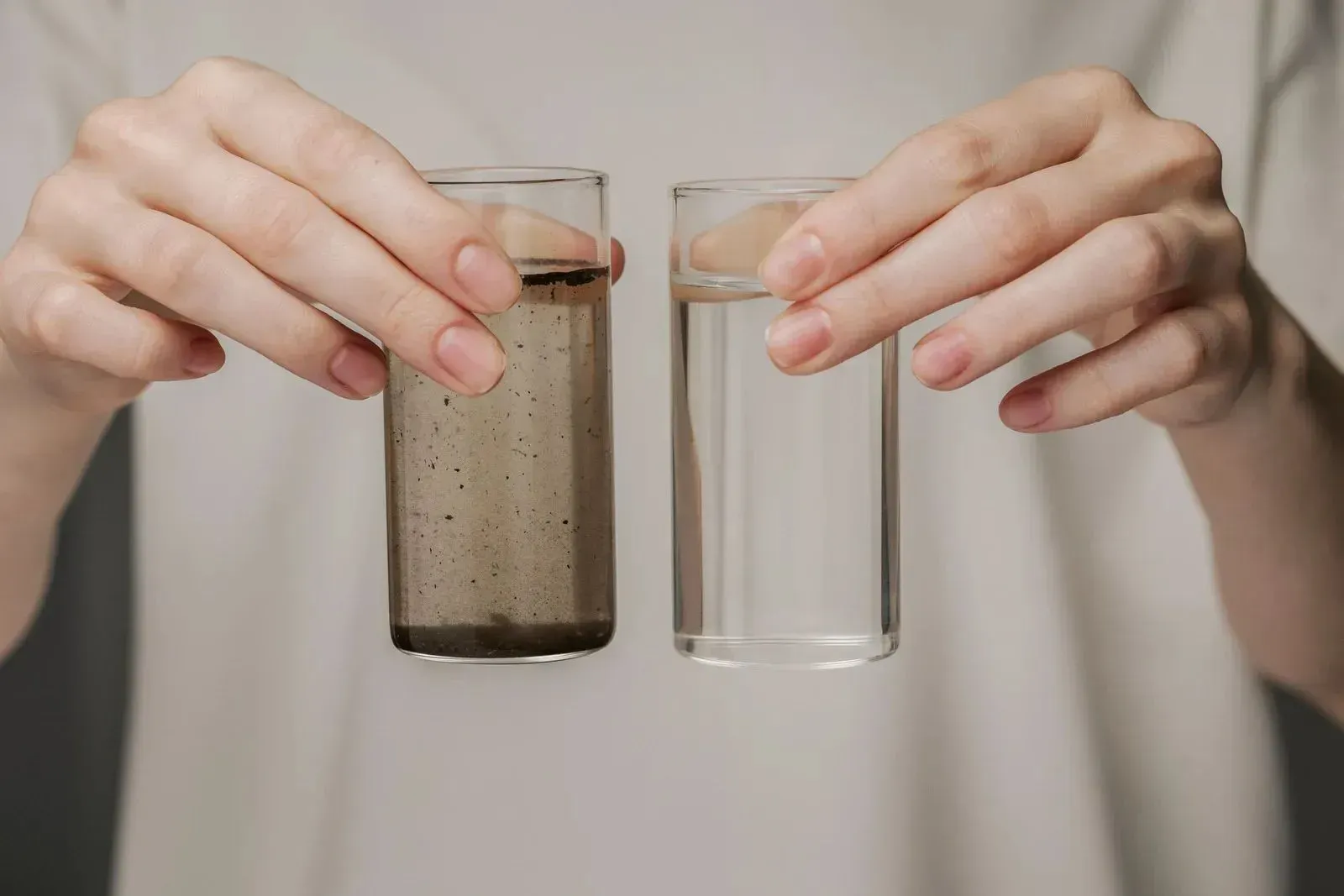
Access to safe, clean water is fundamental, yet the substances used to disinfect municipal water often go unnoticed by residents. In Central Florida, many households rely on tap water for drinking, cooking, and daily chores without fully understanding what chemicals are present. Two primary disinfectants dominate the discussion: chlorine and chloramine. Each plays a critical role in preventing waterborne illnesses, but they come with different properties, effects, and implications for health, plumbing systems, and water-dependent appliances. Understanding these differences is essential for anyone seeking safer, healthier water at home.
Central Florida’s water supply faces unique challenges due to its geography, climate, and growing population. Local utilities carefully select treatment methods that balance microbial control with safety, taste, and regulatory compliance. While both chlorine and chloramine effectively neutralize bacteria, their chemical behavior, longevity, and interaction with plumbing materials vary significantly. Awareness of these differences empowers homeowners to make informed decisions about filtration, water usage, and long-term appliance maintenance. This blog explores the distinctions between chlorine and chloramine, examines their impacts, and offers actionable guidance for optimizing water quality in Central Florida homes.
Understanding Chlorine in Tap Water
What Chlorine Is and How It Works
Chlorine is a strong chemical disinfectant widely used in municipal water systems. It effectively kills bacteria, viruses, and other pathogens by breaking down cell walls and disrupting essential cellular processes. Chlorine is typically added in a gaseous form or as a solution of sodium hypochlorite. Its effectiveness is immediate, making it ideal for initial water treatment.
Advantages of Chlorine
- Fast Acting: Chlorine can neutralize pathogens within minutes, ensuring immediate protection.
- Cost-Effective: Municipalities benefit from low-cost implementation and monitoring.
- Proven Track Record: Decades of usage demonstrate reliable pathogen control across large water networks.
Challenges of Chlorine
Despite its benefits, chlorine presents challenges. It can react with organic matter in water to form disinfection byproducts (DBPs) like trihalomethanes (THMs), which are linked to health concerns at elevated levels. Additionally, chlorine’s strong odor and taste often lead homeowners to seek filtration solutions.
Different smells point to different things in the water, and knowing what they typically indicate makes the change far less mysterious. These are the common ones in our area.
Exploring Chloramine as a Disinfectant
What Chloramine Is and How It Works
Chloramine is a compound formed by combining chlorine with ammonia. Unlike free chlorine, chloramine acts more slowly but persists longer in the water distribution system. This extended lifespan ensures residual disinfectant presence at the tap, reducing microbial regrowth in extensive plumbing networks.
Advantages of Chloramine
- Long-Lasting Residual Protection: Chloramine remains effective over longer distances, making it ideal for sprawling municipal systems.
- Reduced Byproducts: Compared to chlorine, chloramine produces lower levels of THMs and haloacetic acids (HAAs), minimizing potential long-term health risks.
- Improved Taste: Many residents report less noticeable chemical taste or odor in chloraminated water.
Challenges of Chloramine
Chloramine requires careful monitoring and management. It can corrode certain types of plumbing, including lead and copper, if water chemistry is unbalanced. Additionally, chloramine is more difficult to remove from water compared to chlorine, necessitating specialized filtration for sensitive applications like aquariums or dialysis equipment.
Practical Implications for Homeowners
Homes with long water retention times may benefit from the stability of chloramine. However, without proper filtration, chloramine can lead to gradual scaling in pipes or impact water-using appliances. Awareness of these factors allows homeowners to select the right point-of-use filtration or whole-house system to maintain water quality while protecting plumbing infrastructure.
Health and Safety Considerations
Direct Health Impacts
Both chlorine and chloramine are highly effective against harmful microorganisms present in tap water. At properly regulated levels, neither disinfectant poses immediate health risks for healthy adults in typical household use. The Environmental Protection Agency (EPA) and state authorities rigorously monitor municipal water systems to maintain safe concentrations and reduce potential long-term risks from disinfection byproducts formed during water treatment processes.
Vulnerable Populations
Certain groups may require additional safety precautions due to increased sensitivity. Individuals with compromised immune systems, kidney dialysis patients, and infants may experience heightened exposure effects from chemical residuals in tap water. In these cases, certified filtration systems or targeted point-of-use devices that effectively remove chlorine and chloramine are highly recommended to significantly reduce potential health risks and ensure safer drinking water.
Water and Skin/Respiratory Effects
Chlorine can occasionally cause mild irritation to skin and eyes during prolonged exposure, such as frequent bathing, showering, or swimming. Chloramine is less volatile, reducing the likelihood of inhalation during showers but still capable of causing skin or eye irritation in sensitive individuals. Homeowners should carefully monitor for any reactions and consider water-softening or advanced filtration strategies as preventative protective measures in their households.
Balancing Safety and Practicality
Regulated chemical disinfection ensures public health and prevents outbreaks of dangerous waterborne pathogens. Understanding the nuanced differences between each disinfectant allows for more informed decision-making at home. Home filtration systems can complement municipal efforts, removing chemical residuals safely without compromising the continued protection against harmful pathogens or overall water safety in everyday use.
Filtration and Water Treatment Solutions
Removing Chlorine from Tap Water
Activated carbon filters are highly effective and reliable for chlorine removal from tap water. Point-of-use options include countertop pitchers, under-sink units, or faucet-mounted filters for convenience and accessibility. Carbon media efficiently adsorbs chlorine molecules, improving both taste and odor while reducing chemical exposure and enhancing overall water quality for drinking and cooking purposes at home.
Addressing Chloramine
Chloramine removal is more complex due to its chemical stability and slower breakdown rate. Catalytic carbon or combination filters that include KDF (Kinetic Degradation Fluxion) media are commonly used for effective elimination. These advanced systems reduce chloramine efficiently, safeguarding water quality for drinking, cooking, and sensitive applications such as aquariums, medical devices, or dialysis equipment in residential settings.
Whole-House Filtration
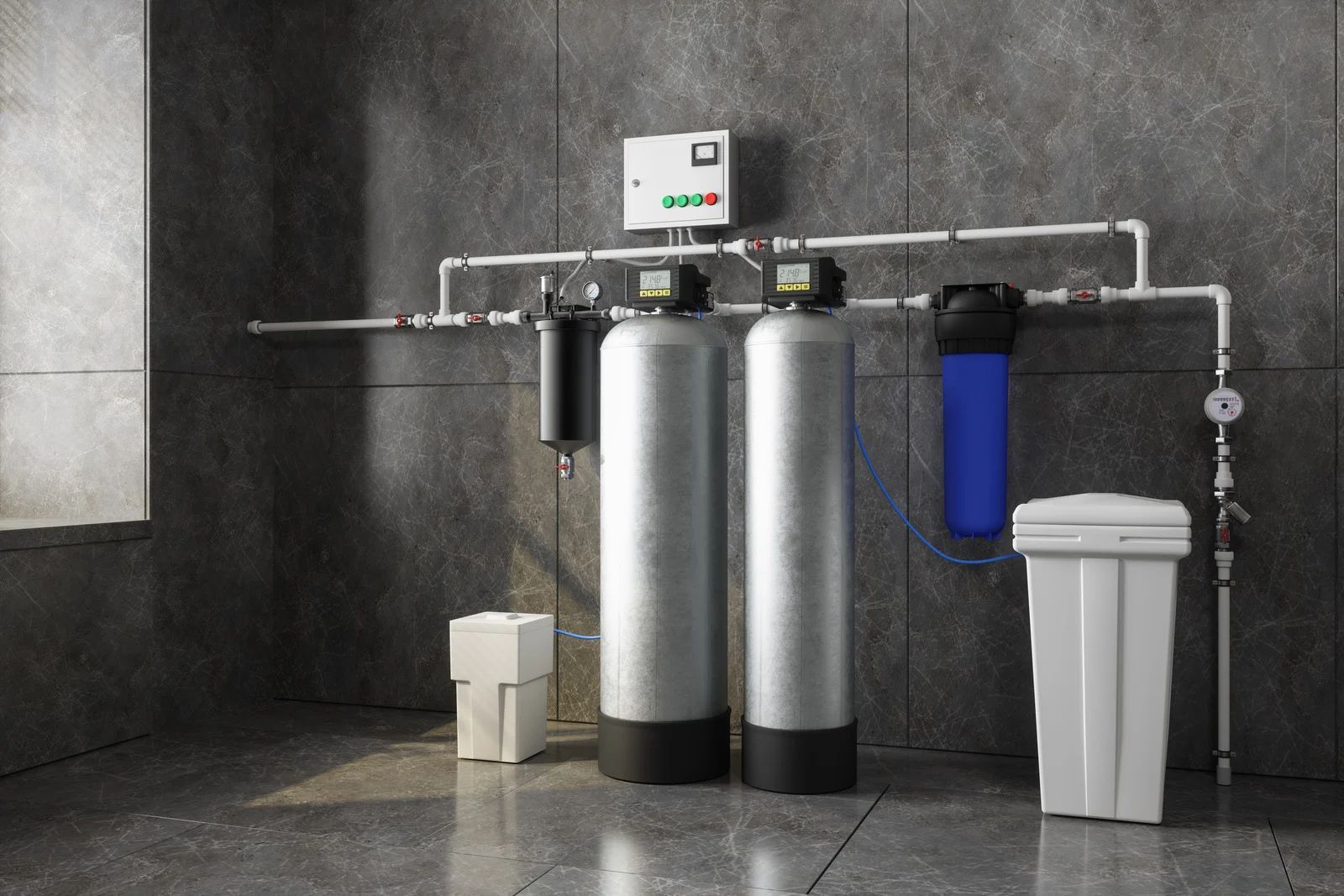
Installing a whole-house filtration system can protect plumbing infrastructure, appliances, and all water-using equipment throughout a home. Systems specifically designed to handle both chlorine and chloramine ensure consistent water quality at every tap, reducing the risk of corrosion, scale buildup, or residual chemical taste in water across the entire household plumbing network.
Practical Considerations
When selecting filtration solutions, consider factors such as flow rate, maintenance frequency, and the specific chemistry of local water. Regular monitoring, timely media replacement, and adherence to manufacturer guidelines are essential to maintain effectiveness and ensure consistent, high-quality water for drinking, cooking, and general household use over time.
Environmental and Infrastructure Implications
Impact on Plumbing Materials
Chlorine and chloramine interact differently with metals, plastics, and older piping materials. Chlorine’s strong oxidizing properties can accelerate corrosion in aging plumbing systems if not carefully monitored. Chloramine, while less chemically reactive, can still contribute to gradual pipe wear or scaling over time if water chemistry is not properly balanced or routinely tested in residential plumbing systems.
Appliances and Water-Dependent Devices
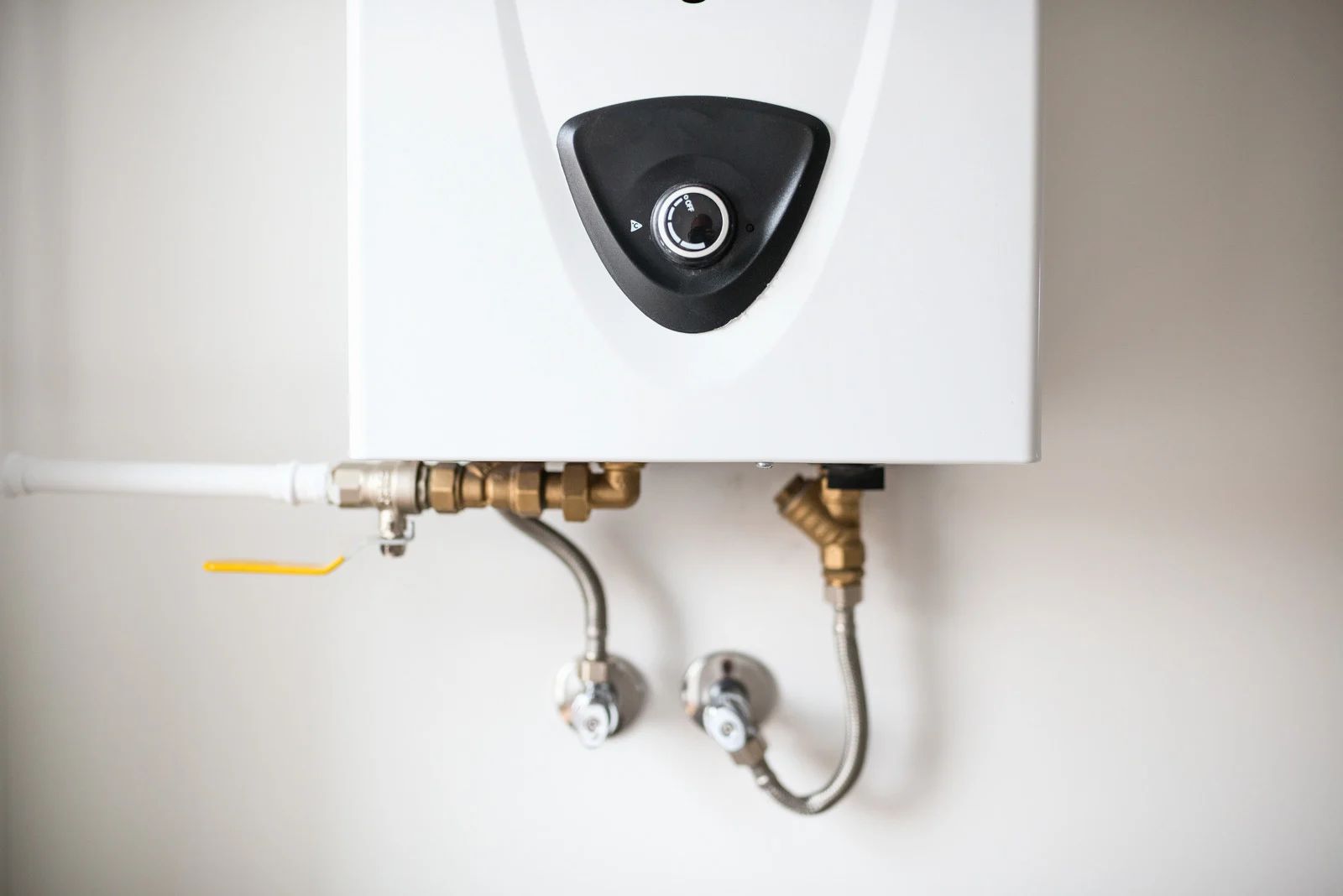
Appliances such as water heaters, ice makers, coffee machines, and other water-dependent devices can experience scaling, odors, or taste issues from residual disinfectants. Chloramine’s persistent presence requires advanced filtration or dechlorination methods for optimal appliance longevity and consistent performance, protecting costly household equipment from chemical-induced wear or maintenance issues over time.
Environmental Considerations
Disinfectants ultimately enter municipal wastewater systems after use. Chloramine’s slower environmental breakdown can affect aquatic life if discharged untreated into natural water bodies. Municipalities implement additional treatment steps at wastewater facilities to minimize ecological impacts while ensuring compliance with environmental protection standards and safeguarding aquatic ecosystems in surrounding regions.
Best Practices for Homeowners
Maintaining water heaters, replacing aging pipes, and using certified filtration systems can effectively mitigate potential damage. Awareness of local water chemistry, regular inspections, and proactive maintenance support preservation of both health and infrastructure while ensuring consistent high-quality water supply throughout the household and reducing long-term repair costs.
Making the Choice: Chlorine vs. Chloramine Awareness
Evaluating Local Water Reports
Central Florida residents can access annual water quality reports from local utilities to understand which disinfectants are used and at what concentrations. These reports provide valuable insight into residual disinfectant levels, disinfection byproduct formation, and compliance with regulatory standards, helping homeowners make informed decisions about filtration and household water safety measures.
Tailoring Home Filtration Solutions
Selection of point-of-use or whole-house filtration depends on household water chemistry, specific needs, and appliance sensitivity. Homes relying on well water, older plumbing, or long water retention systems may require additional monitoring and customized solutions to address chlorine or chloramine presence effectively and maintain optimal water quality consistently.
Educating and Empowering Residents
Understanding the chemical differences between chlorine and chloramine encourages proactive water management. Knowledge empowers homeowners to make informed decisions about drinking water, filtration, and daily usage practices, ensuring safe consumption, improved taste, and longer appliance longevity for all water-dependent systems in the home.
Hard water accelerates wear on several critical components, including:
Heating Elements
Mineral buildup causes overheating and premature failure.
Thermostats
Extended operating cycles place additional stress on temperature control systems.
Pressure Relief Valves
Scale accumulation may interfere with proper valve operation.
Heat Exchangers
Restricted flow and excessive heat retention can damage sensitive components.
These issues often result in repeated service calls and replacement expenses.
Ensuring Pure Water Through Expert Filtration Systems
Both chlorine and chloramine play crucial roles in ensuring safe, pathogen-free tap water for Central Florida residents. Each offers unique advantages and challenges, from immediate pathogen neutralization to long-lasting residual protection. Understanding the chemistry, health considerations, and practical implications allows homeowners to make informed decisions about filtration, appliance protection, and daily water use. Awareness of local water reports, proper maintenance, and certified filtration can enhance water quality and ensure safety across the household.
At Love My Home Water Solutions, water purity is our top priority. With 28 years of expertise in water purification in DeBary, FL, we provide reliable solutions tailored to individual household needs. Our experience enables us to assess water chemistry accurately, recommend effective filtration strategies, and safeguard both health and appliances. Trust us to deliver clean, high-quality water and ensure peace of mind for families throughout Central Florida. Our commitment to excellence, precision, and ongoing support makes us a proven authority in water purification.
ADDITIONAL BeaRS STORIES