How Florida’s Aquifer System Affects Your Home’s Water Quality
March 18, 2026
Florida’s water system is unlike that of any other state in the nation. Beneath the Sunshine State lies one of the most productive and extensive aquifer systems in the United States, supplying the majority of the water used in households, agriculture, and industries. This underground network of porous rock and sand stores vast quantities of freshwater, filtering it naturally as it percolates through layers of limestone and sediment. For homeowners, the aquifer system plays a critical role in determining the taste, clarity, and overall quality of tap water, making its health and protection essential for everyday living.
Understanding how the aquifer system interacts with homes is not just a matter of curiosity—it directly impacts safety, maintenance, and long-term water reliability. From naturally occurring minerals to potential contaminants that enter the system, Florida’s aquifers influence the chemical composition and purity of water delivered to taps. Being aware of these factors equips homeowners with the knowledge to address water quality challenges proactively, ensuring clean, safe, and reliable water. For those invested in preserving property value and health standards, understanding the connection between aquifers and household water is a crucial first step toward responsible water management.
1. Florida’s Aquifer System: An Overview
The Floridan Aquifer
The backbone of Florida’s groundwater supply is the Floridan Aquifer, one of the world’s most productive aquifers. Stretching across most of the state and extending into parts of Georgia and Alabama, this system is composed of highly porous limestone layers capable of storing and transmitting enormous volumes of water. Its natural filtration capacity allows water to be extracted with relatively low treatment, yet variations in mineral content and location can influence water taste and hardness.
Secondary Aquifers and Local Variations
In addition to the Floridan, smaller secondary aquifers exist throughout Florida, often supplying water to specific counties or neighborhoods. These aquifers may be shallower and more vulnerable to contamination from surface activities. Differences in soil composition, rainfall patterns, and human development contribute to varying water quality across regions. Understanding these distinctions helps homeowners anticipate and address potential water issues effectively.
Interaction with Surface Water
Aquifers are recharged primarily by rainfall, which filters through the soil into the groundwater system. Surface water bodies, such as rivers, lakes, and wetlands, can both replenish and influence aquifer quality. However, surface contamination, stormwater runoff, or over-extraction can disrupt natural balance, leading to potential water quality issues in homes.
Different smells point to different things in the water, and knowing what they typically indicate makes the change far less mysterious. These are the common ones in our area.
Practical Implications for Homeowners
Homes with long water retention times may benefit from the stability of chloramine. However, without proper filtration, chloramine can lead to gradual scaling in pipes or impact water-using appliances. Awareness of these factors allows homeowners to select the right point-of-use filtration or whole-house system to maintain water quality while protecting plumbing infrastructure.
2. Natural Minerals and Their Effects on Household Water
Hardness and Mineral Content
Florida’s groundwater often contains naturally occurring minerals such as calcium and magnesium, which significantly contribute to water hardness. While not harmful to health, hard water can negatively affect appliances, plumbing systems, and daily personal care routines. Scale buildup in water heaters, faucets, and pipes reduces overall efficiency and can increase long-term maintenance costs noticeably for homeowners.
Iron, Manganese, and Sulfates
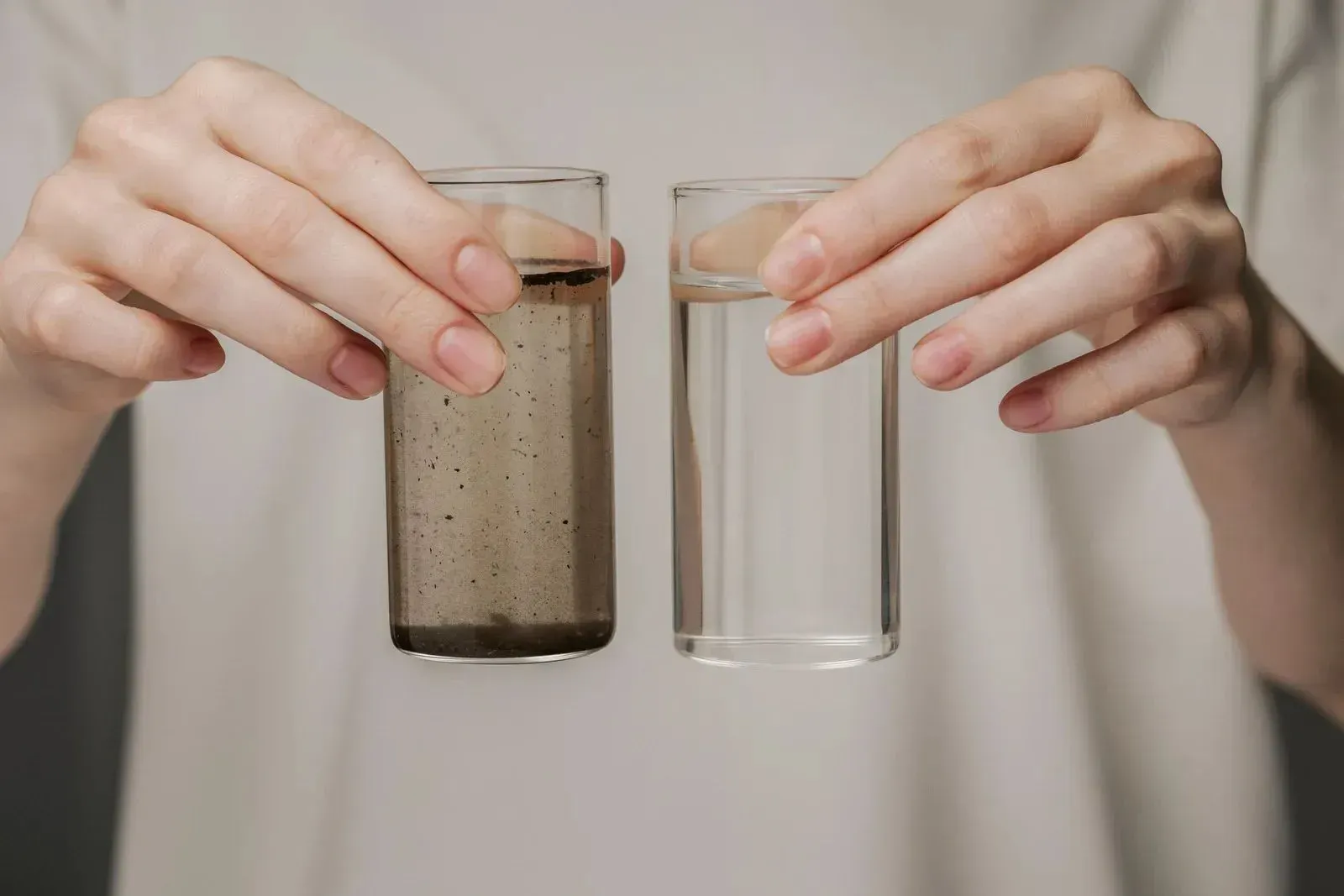
Iron and manganese are common in some regions, particularly where groundwater flows through iron-rich soils and sediment layers. These elements can discolor water, stain sinks and laundry, and noticeably alter taste and appearance. Sulfates, while naturally present in certain areas, may give water a distinct odor or taste resembling “rotten eggs,” especially in higher concentrations. Understanding the prevalence of these minerals allows for targeted filtration or softening solutions to protect home infrastructure and enhance overall water quality effectively.
Health Considerations
Most naturally occurring minerals in Florida’s aquifers do not pose significant health risks at standard concentrations found in homes. In fact, some minerals, like calcium and magnesium, contribute positively to daily dietary intake and overall well-being. However, excessive levels of certain elements can create challenges for sensitive populations, highlighting the importance of regular water testing to ensure safety, quality, and peace of mind for homeowners.
3. Contaminant Risks and Water Safety
Human Activities Impacting Aquifers
Urbanization, agriculture, and industrial development can introduce harmful pollutants into the aquifer system if not carefully managed. Fertilizers, pesticides, septic systems, and chemical spills may infiltrate soil layers and eventually reach groundwater sources used by homes. While public water utilities treat water before distribution, trace contaminants can persist, potentially affecting taste, odor, and overall safety in private wells over time.
Saltwater Intrusion
Florida’s coastal areas face an additional risk: saltwater intrusion into freshwater aquifers caused by over-pumping. Over-extraction near the coast can allow seawater to migrate into freshwater zones, significantly increasing salinity levels in domestic water supplies. Saltwater intrusion not only impacts taste but can also corrode plumbing systems and reduce usability of water for irrigation, appliances, and other everyday household purposes.
Naturally Occurring Contaminants
Beyond human-related risks, certain naturally occurring contaminants may exist in Florida’s aquifers due to geological formations. Radon, arsenic, or trace metals can be present in some regions, naturally leaching into water sources. While levels are often low, consistent and regular monitoring is essential to ensure water safety and to determine if advanced treatment methods are necessary for long-term home protection.
4. Impacts on Residential Plumbing and Appliances
Corrosion and Scale Formation
Water quality influenced by aquifer composition directly affects household plumbing and appliance longevity. Hard water with high mineral content accelerates scale formation, reducing efficiency in water heaters, coffee makers, dishwashers, and washing machines significantly over time. Corrosive water, often with low pH levels, can erode metal pipes gradually, leading to leaks, frequent repairs, and increased maintenance costs if left unaddressed.
Staining and Aesthetic Concerns
Iron and manganese in water can cause reddish-brown or black stains on sinks, tubs, and laundry surfaces, creating noticeable aesthetic problems. These issues, while not always harmful to health, can affect home maintenance routines and potentially impact resale value. Homeowners may require specialized filters or water softening systems to maintain clean surfaces and preserve overall home appearance efficiently.
Preventive Maintenance Strategies
Regular inspection and maintenance of plumbing systems help mitigate the effects of mineral-rich water on pipes and appliances. Installing water softeners, iron filters, or corrosion-resistant plumbing materials prolongs appliance lifespan and reduces repair costs significantly. Understanding local aquifer characteristics guides the selection of appropriate water solutions tailored to specific household water conditions effectively.
5. Water Testing and Treatment Solutions
Importance of Water Testing
Regular testing is essential to understand the exact composition of water drawn from Florida’s aquifers. Tests measure hardness, mineral content, pH levels, microbial presence, and potential contaminants, providing a comprehensive water profile. Accurate testing informs homeowners of water quality issues before they escalate into health hazards or infrastructure damage, allowing for timely, informed decision-making.
Filtration and Purification Options
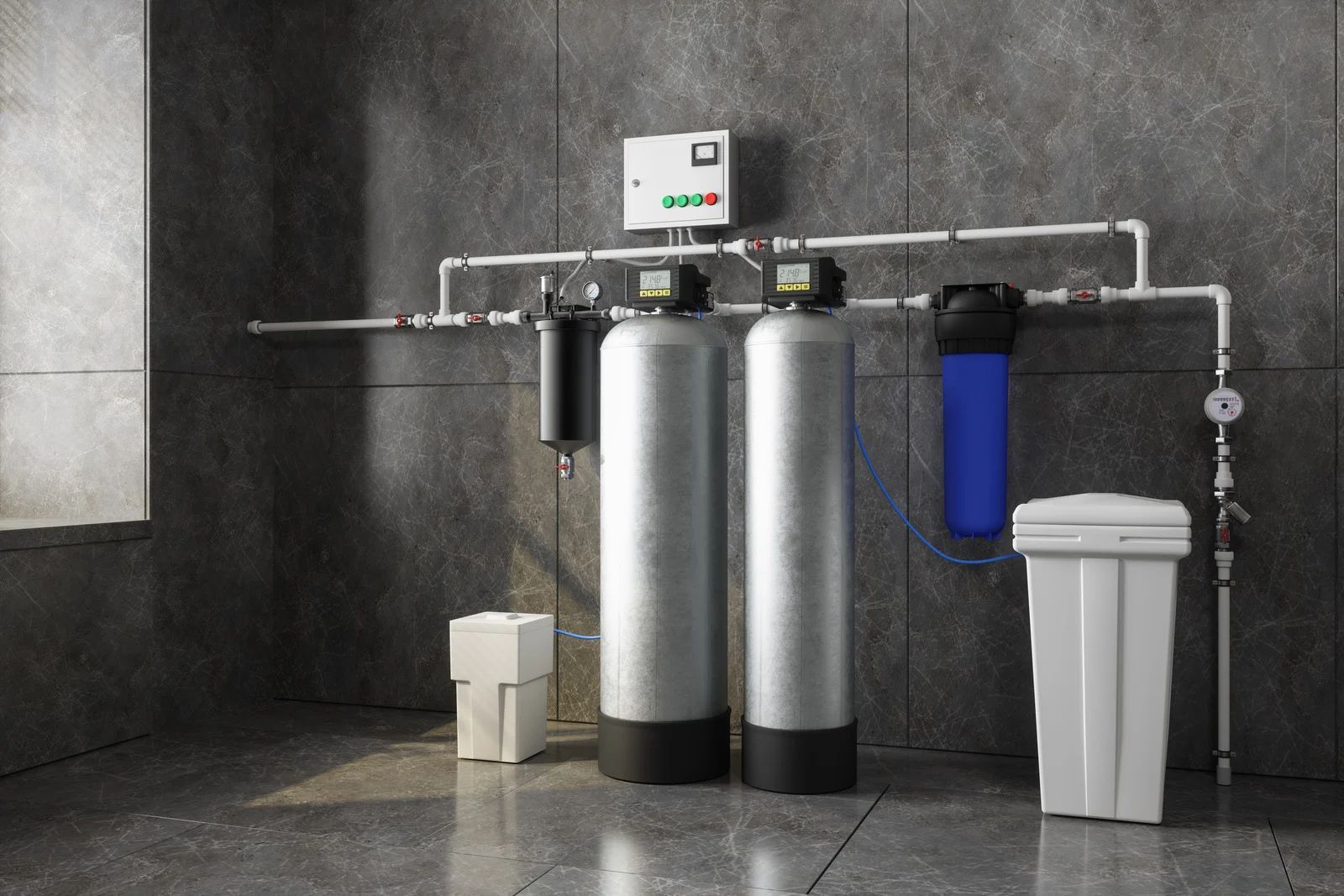
Multiple treatment solutions address aquifer-related water concerns for households:
- Water Softeners: Reduce hardness by removing calcium and magnesium, protecting plumbing and appliances from long-term damage.
- Iron and Manganese Filters: Target specific minerals responsible for staining, taste, and potential aesthetic issues.
- Reverse Osmosis Systems: Provide high-purity water by removing dissolved solids, heavy metals, and certain contaminants efficiently.
- UV Disinfection: Eliminates microbial pathogens, offering an added layer of safety for wells or private water sources.
Selecting the right system requires thorough knowledge of water composition, household needs, and ongoing maintenance considerations to ensure reliability and efficiency.
Best Practices for Homeowners
Maintaining water quality involves more than simply installing treatment systems. Periodic water testing, scheduled maintenance of filtration equipment, and monitoring for unusual taste, odor, or staining provide early warning signs of changing water conditions. These proactive steps ensure consistent access to safe, clean water drawn from Florida’s aquifers while avoiding unexpected problems in the future.
6. Sustainable Practices and Aquifer Preservation
Responsible Water Usage
Florida’s aquifer system is a finite resource, and excessive water use can reduce water quality and long-term availability. Limiting water waste, repairing leaks promptly, and avoiding over-irrigation of lawns and gardens help maintain aquifer balance and protect the long-term water supply for residential and community use.
Reducing Contamination Risks
Proper disposal of chemicals, careful management of fertilizers or pesticides, and maintaining septic systems prevent harmful substances from entering the groundwater. Urban planning, conservation practices, and sustainable residential development also play critical roles in protecting aquifers from contamination caused by human activity or industrial processes over time.
Community and Policy Measures
Local and state regulations encourage responsible water management, aquifer recharge, and environmental preservation to safeguard water quality. Supporting initiatives such as wetland restoration, rainwater harvesting, and sustainable landscaping contributes to aquifer health, indirectly improving household water quality and ensuring that clean, safe water remains accessible for future generations.
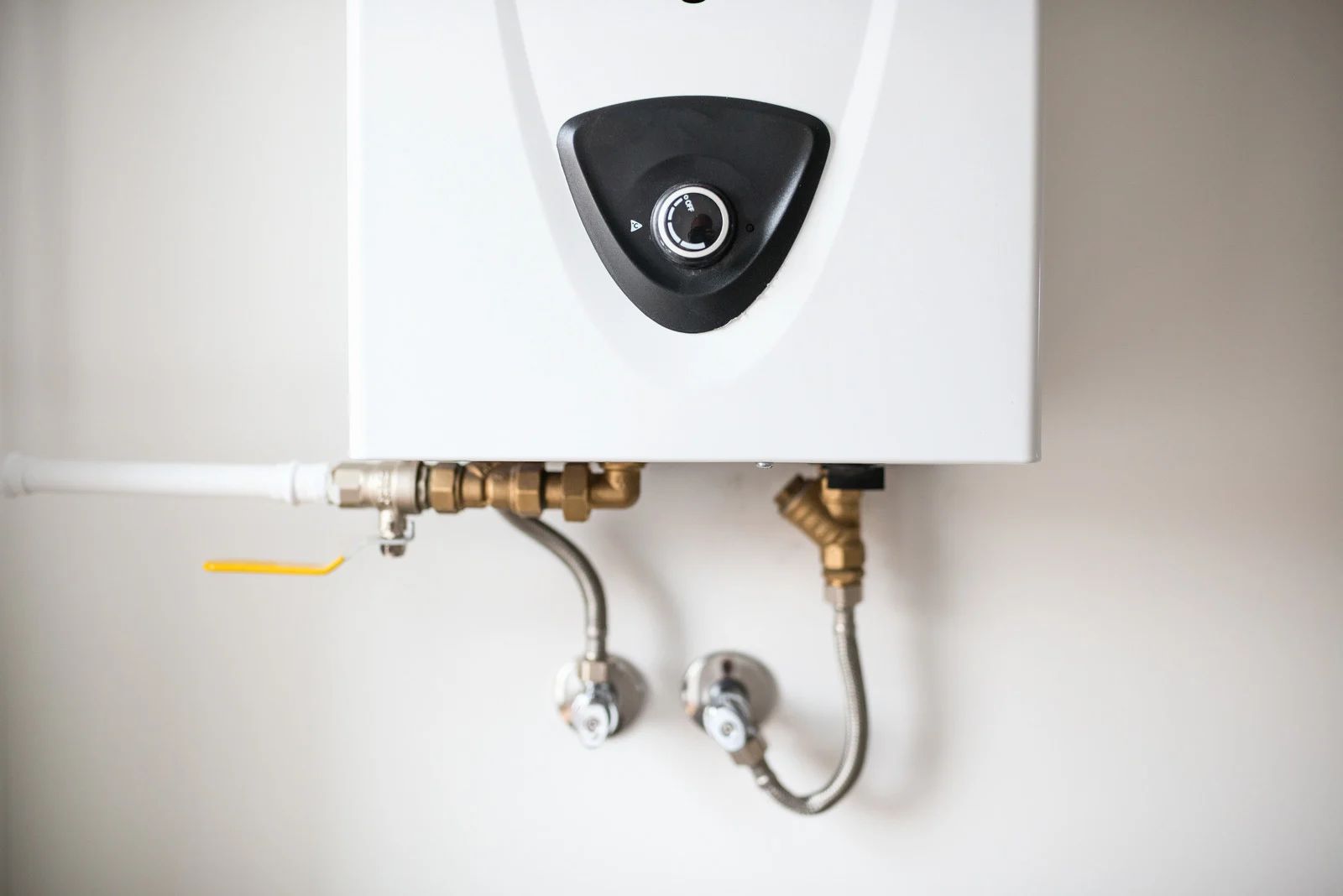
Hard water accelerates wear on several critical components, including:
Heating Elements
Mineral buildup causes overheating and premature failure.
Thermostats
Extended operating cycles place additional stress on temperature control systems.
Pressure Relief Valves
Scale accumulation may interfere with proper valve operation.
Heat Exchangers
Restricted flow and excessive heat retention can damage sensitive components.
These issues often result in repeated service calls and replacement expenses.
Reliable Aquifer-Based Water Treatments by Our Professionals
Florida’s aquifer system is the lifeline of residential water supply, influencing everything from taste and odor to hardness and potential contaminants. Understanding the dynamics of the Floridan and secondary aquifers, natural mineral content, and human-related impacts equips homeowners to proactively manage water quality. Testing, filtration, and preventive maintenance help mitigate challenges, ensuring plumbing longevity and consistent access to safe, clean water. Additionally, awareness of sustainable practices and responsible water use protects the broader system that supports communities and homes throughout the state.
At Love My Home Water Solutions, expertise in water purification spans over 28 years, providing comprehensive solutions for homes in DeBary, FL. Deep knowledge of local aquifers and water conditions allows for precise treatment options tailored to each property. From advanced filtration systems to ongoing monitoring, services prioritize health, safety, and longevity. Trusted guidance, professional installation, and maintenance ensure homeowners receive clean, high-quality water every day. Committed to excellence, we offer peace of mind, helping residents maintain reliable water quality while safeguarding their homes for the future.
ADDITIONAL BeaRS STORIES