What’s Really in Your Tap Water? Common Contaminants Homeowners Overlook
January 5, 2026
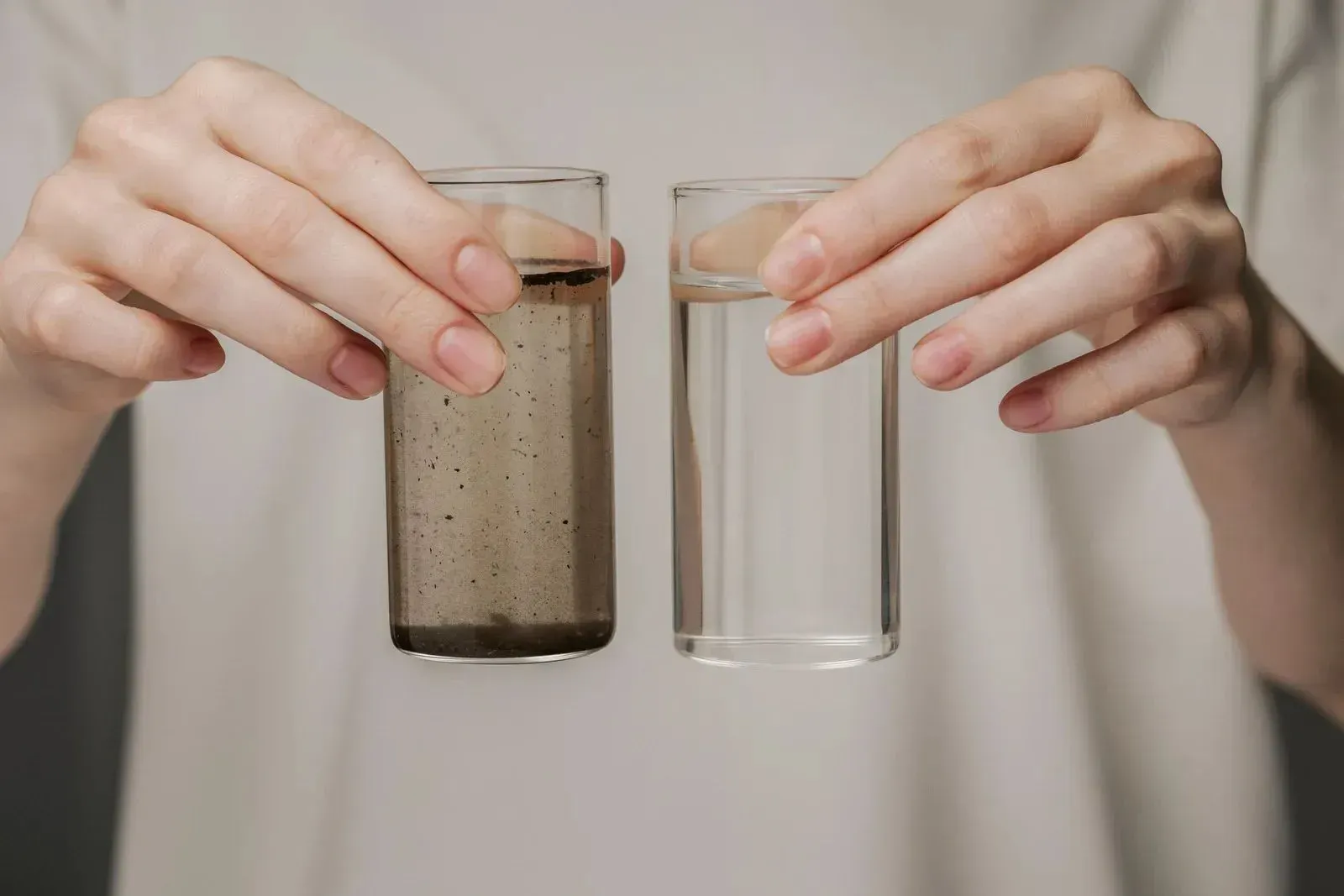
Most homeowners assume that if water flows clearly from the faucet, it must be clean and safe. After all, municipal treatment plants follow regulations, test water regularly, and work hard to provide reliable drinking water. Yet clarity can be deceiving. Many contaminants are invisible, odorless, and tasteless — and some slip through treatment systems, enter through aging pipes, or develop on the way to your home. Understanding what might be hiding in everyday tap water isn’t about fear; it’s about awareness, prevention, and making informed choices. That’s why routine testing, seasonal checks, and staying informed about local advisories matter. Subtle changes in source water, construction nearby, or neglected filters can shift quality quickly. Clear water may still carry risks, so curiosity and verification are your best protections at the tap every single day and night alike.
Across the country, water quality has become a growing conversation among homeowners, real estate professionals, builders, and health-conscious families. From minerals and metals to chemicals, microorganisms, and pharmaceuticals, the modern water supply faces challenges previous generations never imagined. Knowing what may be in your water — and what to do about it — can protect your plumbing, improve taste and smell, extend appliance life, and help safeguard your family’s health. In the water purification industry, transparency and education are essential, because no two homes have identical water conditions. Let’s take a closer look at the common contaminants many people overlook, why they matter, and how proactive filtration strategies can make a measurable difference. For many households, the real challenge is knowing where to start. Reports, test kits, and professional assessments each reveal different clues. Matching those findings with the right filtration or treatment plan prevents overspending, avoids gimmicks, and ensures the solution truly addresses your home’s unique water profile for years to come.
Minerals and Hard Water: More Than Just Spots on Glasses
What “hard water” really means
Hard water contains elevated levels of calcium and magnesium. These minerals are naturally occurring, pulled from soil and rock as groundwater travels through the earth. While not inherently dangerous, they create buildup (scale) throughout plumbing systems. Over time, these deposits become harder and more stubborn, turning routine maintenance into costly repairs, especially in busy modern households today.
Everyday signs homeowners ignore
Soap that won’t lather, dingy laundry, cloudy dishes, itchy skin, and reduced water pressure are common clues. Over time, scale accumulates in pipes, water heaters, dishwashers, and ice makers — restricting flow and forcing appliances to work harder. What starts as a minor nuisance eventually affects comfort, cleaning efficiency, and overall water performance, often surprising homeowners when problems escalate quickly.
Why hardness matters
Hard water can shorten appliance lifespan, increase utility costs, and cause premature failures. In some cases, mineral buildup traps bacteria, complicating water quality further. Addressing hardness isn’t simply cosmetic — it’s preventive maintenance. Treating it early helps protect both household health and long-term plumbing investments, ultimately saving families stress and unnecessary financial strain.
Different smells point to different things in the water, and knowing what they typically indicate makes the change far less mysterious. These are the common ones in our area.
Practical Implications for Homeowners
Homes with long water retention times may benefit from the stability of chloramine. However, without proper filtration, chloramine can lead to gradual scaling in pipes or impact water-using appliances. Awareness of these factors allows homeowners to select the right point-of-use filtration or whole-house system to maintain water quality while protecting plumbing infrastructure.
Chlorine, Chloramines, and Disinfection Byproducts
Why treatment plants add disinfectants
Municipal systems use chlorine or chloramines to kill harmful microorganisms such as bacteria and viruses. This process is essential for public safety and has dramatically reduced waterborne illness worldwide. Without these disinfectants, communities would face frequent outbreaks of dangerous waterborne diseases, threatening entire neighborhoods and vulnerable populations alike.
The downside homeowners rarely consider
Chlorine can leave an unpleasant taste and odor and may dry out skin and hair. When chlorine interacts with natural organic matter, it can create disinfection byproducts (DBPs). Research continues to evaluate long-term exposure, especially through inhalation in showers and skin absorption. Many homeowners only realize the issue when they begin noticing irritation or persistent odor, particularly during daily personal routines.
Practical ways to manage disinfectants
Point-of-entry filtration or specialized carbon filters reduce chlorine and improve taste, smell, and comfort while retaining necessary disinfection upstream. In homes, this often translates into softer skin, fresher-tasting water, and better overall experience. It also helps protect plumbing fixtures that are sensitive to chemical exposure, providing reassurance and everyday peace of mind.
Metals From Aging Infrastructure
Where metals come from
Even when city water leaves the treatment facility within safe limits, it may travel through old service lines, household plumbing, or solder that contain metals such as lead, copper, or iron. Corrosion allows these particles to leach into the water. This process can accelerate when water is highly acidic or remains stagnant in pipes, creating unseen risks for families.
Hidden risks and real scenarios
Aging neighborhoods, historic homes, and older plumbing upgrades are particularly vulnerable. A family may notice rusty discoloration, metallic taste, or frequent pinhole leaks — all signs that corrosion is active. Lead exposure, especially for children and pregnant women, requires attention, even at low levels. Ignoring early warning signs allows problems to silently escalate, impacting health and household safety.
Reducing exposure
Testing is the first step. Filtration systems designed for metal reduction, combined with corrosion control strategies and, when needed, professional plumbing upgrades, create a long-term solution rather than a temporary fix. With the right plan, homeowners can dramatically lower risk while preserving their existing infrastructure, protecting both property value and wellbeing.
Microorganisms and Biofilm Growth
Clean doesn’t always mean sterile
Water can carry microorganisms such as bacteria, protozoa, or cysts — particularly after flooding events, main breaks, or pressure fluctuations. In some systems, biofilm — a slimy layer that forms inside pipes — can harbor contaminants. Once established, it becomes difficult to remove without intentional treatment, often staying hidden for months or years.
Why biofilm matters
Biofilm shields bacteria, allowing them to survive disinfectants and re-enter the supply. Homes with low water usage, seasonal properties, and long plumbing runs can be more susceptible. What appears as clean, odor-free water may still carry invisible biological activity that slowly spreads, creating unpredictable household water quality challenges.
Smarter prevention
UV purification, fine-micron filtration, and periodic maintenance flushes help keep microbial growth in check. Pairing these measures with regular testing ensures peace of mind — not guesswork. Consistent monitoring makes it easier to catch microbial issues before they turn into larger household concerns, reducing future disruption and unexpected repair costs.
Chemicals, Pharmaceuticals, and Emerging Contaminants
An evolving challenge
Pesticides, industrial chemicals, PFAS (“forever chemicals”), and trace pharmaceuticals increasingly appear in waterways. Many are not fully removed by standard municipal processes and are considered “emerging contaminants” because research continues to evolve. Their persistence raises questions about long-term environmental and health impacts, prompting growing concern among scientists and homeowners alike.
Everyday sources
Runoff from farms, household drains, manufacturing facilities, and landfill leachate introduce compounds into lakes and aquifers. These contaminants often exist at microscopic levels — far below what the eye can detect. Because they accumulate over time, small exposures may eventually become significant, especially in communities relying on the same water source.
Responsible filtration approaches
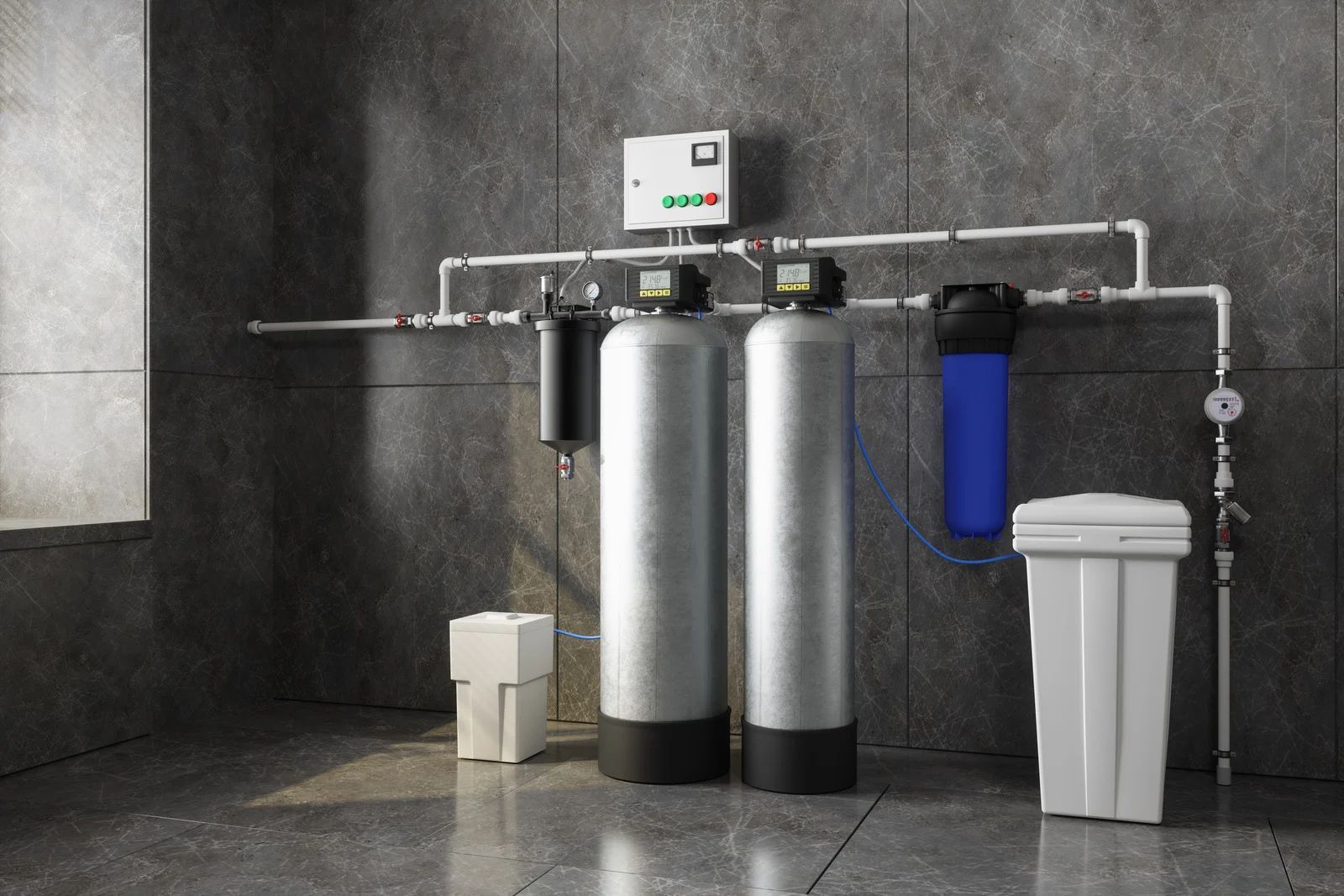
Advanced treatment technologies such as reverse osmosis, catalytic carbon, and specialized media provide targeted reduction for specific chemicals. Since contaminant profiles vary, customized solutions based on testing provide the most effective protection. A one-size-fits-all system rarely delivers the precision required for complex water challenges, making personalized treatment plans essential.
Sediment, Rust, and Plumbing Debris
Why sediment appears
Construction activity, hydrant flushing, or pipe disturbances can stir debris inside water mains. That material eventually travels to faucets, aerators, showerheads, and appliances. Sometimes it arrives suddenly, leaving water temporarily cloudy or gritty, especially after system maintenance or heavy usage events.
Hidden consequences
Sediment clogs valves, reduces flow, damages seals, and shortens equipment life. Homeowners often replace fixtures without realizing the underlying cause is unfiltered particulate matter. Left untreated, sediment can even scratch glassware and stain fixtures, gradually degrading both appearance and performance throughout the home.
Best practices
Installing staged filtration — beginning with sediment capture and followed by more refined filtration — protects the entire plumbing system, preserves appliance warranties, and keeps water clear. Layered filtration ensures contaminants are removed systematically rather than forcing one filter to do all the work, improving reliability and long-term efficiency overall.
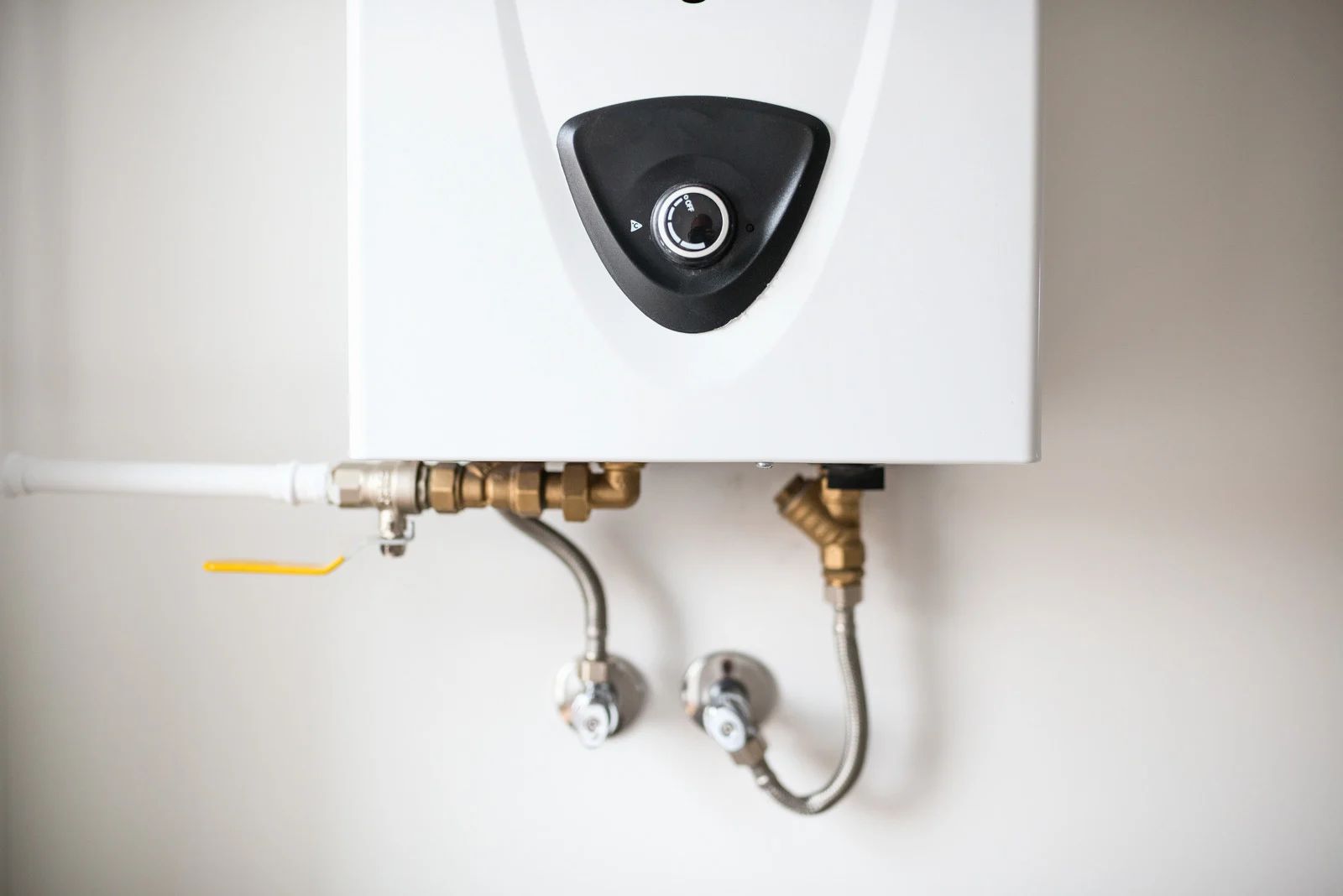
Hard water accelerates wear on several critical components, including:
Heating Elements
Mineral buildup causes overheating and premature failure.
Thermostats
Extended operating cycles place additional stress on temperature control systems.
Pressure Relief Valves
Scale accumulation may interfere with proper valve operation.
Heat Exchangers
Restricted flow and excessive heat retention can damage sensitive components.
These issues often result in repeated service calls and replacement expenses.
Experienced Specialists Delivering Lasting Confidence In Water
For homeowners who want expert clarity, trusted recommendations, and solutions tailored to their unique water conditions, Love My Home Water Solutions delivers confidence at every step. As a Water Purification Services provider based in DeBary, FL, with 28 years of hands-on industry experience, the team understands both the science behind water treatment and the realities families face in everyday living. They begin with an honest evaluation, explain findings in plain language, and recommend systems designed for performance, efficiency, and long-term reliability. Installation is handled with precision, and ongoing support ensures that filtration continues to perform as intended. From whole-home systems to drinking-water solutions, Love My Home Water Solutions approaches every project with integrity and a commitment to exceptional customer care. When clean, great-tasting water matters — not just today, but for years ahead — partnering with a knowledgeable, established professional makes the difference. Love My Home Water Solutions stands ready to help homeowners make informed, practical choices that protect health, comfort, and property value.
ADDITIONAL BeaRS STORIES