How Hard Water Impacts Your Water Heater (And How to Prevent Costly Repairs)
June 6, 2026
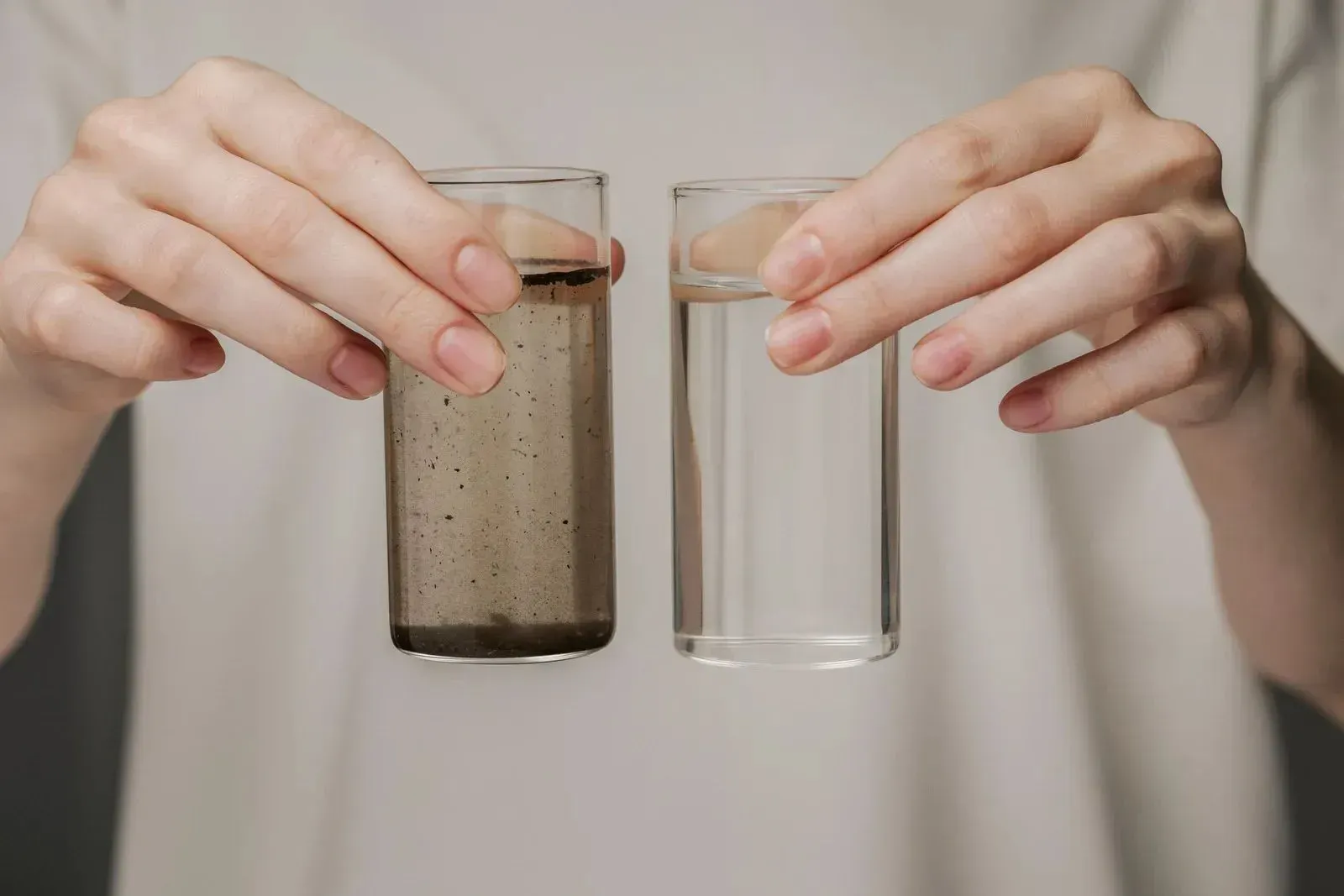
Hard water is a common issue in many homes, yet its impact on plumbing systems often goes unnoticed until expensive problems begin to appear. Water that contains high levels of dissolved minerals, primarily calcium and magnesium, is classified as hard water. While these minerals are generally safe for consumption, they can create significant challenges for household appliances that rely on water. Among the most vulnerable systems is the water heater. Whether a home uses a traditional storage tank unit or a tankless system, hard water can gradually reduce performance, increase energy consumption, and shorten equipment lifespan. Understanding how mineral-rich water affects water heaters is essential for homeowners who want to avoid unnecessary repair costs and maintain reliable hot water throughout the year.
As water heating systems continue to play a critical role in modern households, protecting them from hard water damage has become increasingly important. Mineral accumulation can develop silently over time, leading to reduced efficiency, higher utility bills, inconsistent water temperatures, and premature equipment failure. Many homeowners only recognize the problem after facing costly repairs or unexpected replacements. By learning how hard water affects water heaters and implementing preventive measures, property owners can protect their investment, improve energy efficiency, and extend the life of their equipment. Taking proactive steps today can help prevent major expenses and ensure dependable performance for years to come.
Understanding Hard Water and Why It Matters
What Makes Water “Hard”?
Hard water contains elevated concentrations of naturally occurring minerals, primarily calcium and magnesium. As groundwater moves through limestone, chalk, and other mineral-rich formations, it absorbs these substances before entering residential plumbing systems.
The hardness level varies significantly by region, but many homes experience moderate to severe hard water conditions. While these minerals do not typically pose health concerns, they create ongoing maintenance challenges throughout plumbing systems.
Why Water Heaters Are Especially Vulnerable
Water heaters operate by heating water repeatedly, creating an ideal environment for minerals to separate from the water and settle inside the system. As temperatures rise, dissolved minerals become solid deposits that accumulate on heating components and interior surfaces.
Over time, these deposits create layers of scale that reduce efficiency and increase strain on the equipment. Because water heaters continuously process large volumes of water, even moderate hardness can cause substantial buildup over several years.
Early Signs of Hard Water Problems
Homeowners may notice several warning signs before significant damage occurs:
- Reduced hot water availability
- Longer heating times
- Popping or rumbling sounds from the tank
- Rising energy bills
- Inconsistent water temperatures
- Decreased water pressure
Recognizing these symptoms early can help prevent more extensive repairs later.
Different smells point to different things in the water, and knowing what they typically indicate makes the change far less mysterious. These are the common ones in our area.
How Mineral Buildup Damages Water Heaters
Sediment Accumulation Inside Tank Water Heaters
Traditional storage water heaters are particularly susceptible to sediment accumulation. As minerals separate from heated water, they settle at the bottom of the tank and form a dense layer of sediment.
This buildup creates a barrier between the burner or heating element and the water. As a result, the system must work harder to heat the same amount of water, increasing energy consumption and wear on internal components.
In severe cases, sediment layers become thick enough to reduce tank capacity, leaving homeowners with less available hot water.
Damage to Heating Elements
Electric water heaters rely on heating elements that remain in direct contact with water. Hard water minerals often accumulate on these components, creating insulating layers that reduce heat transfer.
When heating elements become coated with scale, they must operate longer to achieve the desired temperature. This additional workload increases the likelihood of overheating, premature failure, and costly replacements.
Tankless Water Heater Challenges
Many homeowners assume tankless systems are immune to hard water issues, but this is not the case. Mineral deposits can accumulate inside the heat exchanger, restricting water flow and reducing heating efficiency.
As scale develops within narrow passages, the system struggles to maintain performance. Without routine descaling, hard water can significantly shorten the lifespan of a tankless water heater.
The Financial Impact of Hard Water Damage
Increased Energy Costs
One of the most immediate effects of hard water is reduced energy efficiency. Mineral deposits act as insulation, forcing water heaters to consume more energy to produce the same amount of hot water.
Even a relatively thin layer of scale can increase operating costs. Over months and years, these additional expenses add up and significantly affect household utility bills.
More Frequent Repairs
Hard water accelerates wear on several critical components, including:
Heating Elements
Mineral buildup causes overheating and premature failure.
Thermostats
Extended operating cycles place additional stress on temperature control systems.
Pressure Relief Valves
Scale accumulation may interfere with proper valve operation.
Heat Exchangers
Restricted flow and excessive heat retention can damage sensitive components.
These issues often result in repeated service calls and replacement expenses.
Shortened Equipment Lifespan
Most water heaters are designed to provide many years of dependable service. However, hard water can dramatically reduce expected lifespan.
A system that might otherwise last well over a decade may require replacement much sooner when exposed to persistent mineral accumulation. The cost of premature replacement often exceeds the investment required for preventive maintenance.
Effective Strategies to Prevent Costly Repairs
Test and identify what's in your water
Flushing a water heater removes accumulated sediment before it becomes a major problem. During this process, water is drained from the tank to eliminate loose mineral deposits and debris.
Regular flushing offers several benefits:
- Improved efficiency
- Better heating performance
- Reduced strain on components
- Lower energy consumption
- Extended equipment life
Many manufacturers recommend annual flushing, though homes with severe hard water may benefit from more frequent service.
Install a Water Softening System
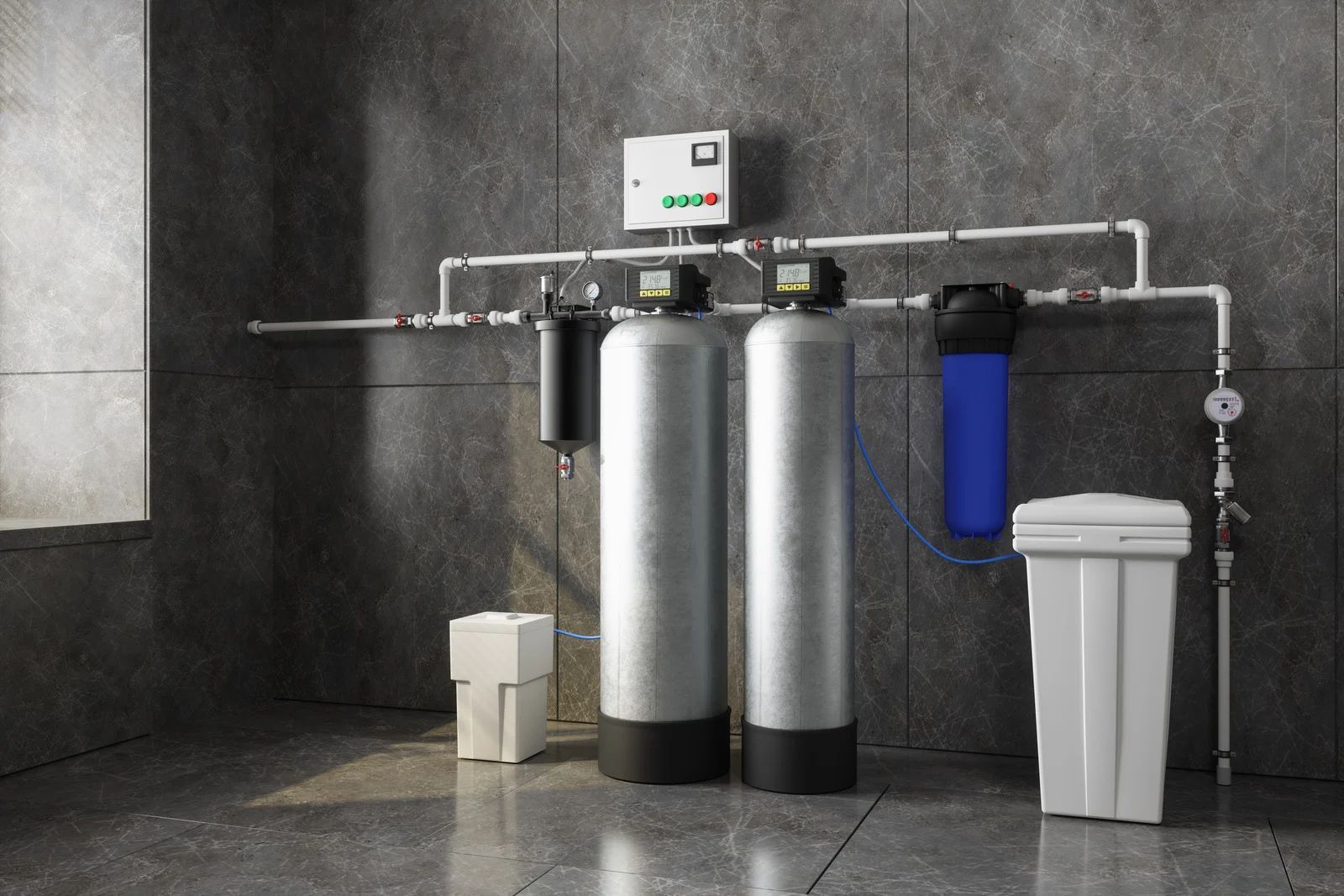
Water softeners are among the most effective solutions for hard water problems. These systems remove calcium and magnesium through an ion-exchange process before water enters household plumbing.
Benefits include:
Reduced Scale Formation
Fewer minerals reach the water heater and plumbing fixtures.
Improved Appliance Longevity
Water-dependent appliances experience less wear and tear.
Lower Maintenance Costs
Reduced buildup means fewer repairs and service visits.
Better Energy Efficiency
Equipment operates without insulating layers of mineral deposits.
A properly sized water softener can provide long-term protection throughout the entire home.
Consider Whole-Home Water Treatment
In areas with severe water quality concerns, comprehensive water treatment systems may offer additional benefits beyond softening alone.
These solutions may address:
- Mineral content
- Sediment contamination
- Chlorine levels
- Water taste and odor concerns
- Additional water quality issues
A customized treatment approach helps ensure optimal performance for plumbing systems and appliances.
Best Practices for Long-Term Water Heater Protection
Monitor Water Quality Regularly
Understanding the hardness level of household water provides valuable insight into maintenance requirements. Professional testing can identify mineral concentrations and help determine the most appropriate treatment solutions.
Regular monitoring also helps homeowners evaluate the effectiveness of existing water treatment systems.
Perform Professional Maintenance
Routine inspections help identify developing issues before they become expensive repairs. Professional technicians can evaluate:
- Sediment accumulation
- Heating element condition
- Anode rod wear
- System efficiency
- Pressure and temperature performance
Preventive maintenance often costs significantly less than emergency repairs or equipment replacement.
Replace Worn Components Promptly
Delaying minor repairs frequently leads to larger and more expensive problems. Replacing worn heating elements, valves, or anode rods when needed helps protect the overall system.
Addressing issues early reduces strain on other components and helps maintain efficient operation.
Educate Household Members
Simple habits can contribute to better system performance. Homeowners should understand the importance of maintenance schedules, water treatment equipment, and early warning signs of hard water damage.
An informed approach helps ensure problems are addressed before significant damage occurs.
Why Prevention Is Always More Affordable Than Repair
Comparing Costs
The financial difference between preventive care and major repairs can be substantial. Regular maintenance, flushing services, and water treatment solutions represent relatively small investments compared to replacing a failed water heater.
For example, neglecting hard water buildup may eventually result in:
- Heating element replacement
- Heat exchanger repair
- Tank replacement
- Water damage restoration
- Emergency service fees
Preventive measures help avoid these unexpected expenses.
Protecting Household Comfort
Beyond financial considerations, water heater reliability directly affects daily comfort. Hot water is essential for bathing, cleaning, cooking, and other routine activities.
Unexpected breakdowns create inconvenience and disruption. Preventive maintenance helps ensure dependable hot water when it is needed most.
Supporting Sustainable Homeownership
Maintaining appliances properly reduces waste and extends equipment lifespan. Homeowners who address hard water issues contribute to more sustainable resource use while reducing long-term ownership costs.
Investing in prevention protects both the home and the household budget.
Hard water accelerates wear on several critical components, including:
Heating Elements
Mineral buildup causes overheating and premature failure.
Thermostats
Extended operating cycles place additional stress on temperature control systems.
Pressure Relief Valves
Scale accumulation may interfere with proper valve operation.
Heat Exchangers
Restricted flow and excessive heat retention can damage sensitive components.
These issues often result in repeated service calls and replacement expenses.
Experience Professional Support For Long-Term Water Protection
Hard water can silently damage water heaters, increase energy costs, reduce appliance lifespan, and lead to expensive repairs that many homeowners could avoid with proper prevention. Understanding how mineral buildup develops and recognizing early warning signs allows property owners to take action before minor issues become major expenses. Regular maintenance, professional inspections, water heater flushing, and properly designed water treatment systems all play an important role in protecting household plumbing investments. When combined, these solutions help maintain efficient performance, lower utility costs, and extend equipment longevity.
For homeowners seeking dependable water quality solutions, Love My Home Water Solutions has become a trusted name in Water Purification Services throughout DeBary, FL. With 28 years of industry experience, we understand the challenges hard water creates for water heaters, plumbing systems, and household appliances. Our commitment to quality service, professional guidance, and customized treatment solutions helps homeowners protect their investments and improve water quality throughout their homes. When water quality concerns threaten the performance of your home’s plumbing equipment, we provide the expertise and support needed to help safeguard your property for years to come.
ADDITIONAL BeaRS STORIES