Seasonal Water Changes in Central Florida: Why Your Water Smells Different After Heavy Rain
July 4, 2026
Quick Answer: Water often smells or tastes different after heavy rain because the rainy season changes what's in the water at its source. Heavy rain raises the water table, washes surface material into the ground, and stirs up wells, which can change levels of sulfur (that rotten-egg smell), iron, sediment, and organic matter, and can shift the taste and odor of both well and municipal water. It's a common seasonal pattern, usually about aesthetics rather than an emergency, but a noticeable change is worth understanding, and often worth treating, so your water stays consistent year-round.
If you live in Central Florida, you may have noticed it: after a stretch of heavy summer rain, your water suddenly smells or tastes a little different. Maybe there's a faint rotten-egg odor, an earthy or musty note, or just a change from what you're used to. It can be unsettling when the water seemed fine all spring, and now something's off after the storms roll through.
Here's the reassuring part: this is a common, well-understood seasonal pattern, not usually a sign that something has gone badly wrong. Our wet season genuinely changes what's in the water at its source, and that shows up at your tap as a change in smell or taste. Central Florida's geology and heavy reliance on groundwater and wells make this especially noticeable here. Understanding why heavy rain shifts your water, what those smells usually mean, and what you can do about it takes the worry out of it, and points to how to keep your water consistent all year. Here's what's going on with your water after the rain.
Why Heavy Rain Changes Your Water
To understand why your water smells different after a downpour, it helps to know that rain doesn't just fall and disappear, it changes the conditions underground where your water comes from.
When heavy rain falls, especially over the wet season, it soaks into the ground and raises the water table, the level of water saturating the ground below. It also washes surface material, organic matter, minerals, and debris down into the soil and toward groundwater. For homes on wells, this rising, recharging groundwater is exactly what the well draws from, so changes in the groundwater show up in your water. Heavy rain can also disturb and stir up a well, pulling in more sediment or shifting what's dissolved in the water.
The result is that the water reaching your tap after heavy rain can carry different levels of the things that affect smell and taste, more sulfur, iron, sediment, or organic material than during a drier stretch. Even municipal water can see seasonal shifts in taste and odor as the source water changes. So the different smell isn't your imagination, and it isn't random: it's the wet season changing the water at its source, which is a normal seasonal cycle in this part of Florida.
What Those Smells and Tastes Usually Mean
Different smells point to different things in the water, and knowing what they typically indicate makes the change far less mysterious. These are the common ones in our area.
Rotten-egg smell (sulfur)
That classic rotten-egg odor is hydrogen sulfide, sulfur in the water. It's common in Florida groundwater and wells, and seasonal changes can make it more noticeable. It's unpleasant but is generally an aesthetic issue rather than a safety emergency.
Earthy, musty, or moldy smell
An earthy or musty odor often comes from organic matter, the kind of material heavy rain washes into the groundwater, or from things going on in the source water seasonally. It's a taste-and-odor issue that the wet season tends to bring out.
Metallic taste or staining (iron)
Iron in the water can give it a metallic taste and leave reddish or brown staining, and rain-driven changes in groundwater can shift iron levels. Iron is common in our area's water and is another aesthetic concern.
Cloudy or gritty water (sediment)
Heavy rain stirring up a well can pull in more sediment, making water look cloudy or feel gritty. It usually reflects the disturbance in the well or source rather than a lasting change.
A general "off" or different taste
Sometimes the water just tastes different than usual, reflecting the overall shift in source-water chemistry that the rainy season brings.
The common thread is that most of these seasonal changes are aesthetic, affecting how the water smells, tastes, and looks, driven by the natural shift in what's in the source water after heavy rain. That's genuinely reassuring: a new odor after a storm is usually the water chemistry changing with the season, not a crisis. Even so, a noticeable or persistent change in your water is always worth paying attention to, because it's telling you something about your water has shifted.
Tip: When you notice a change, take note of the specifics, what the smell or taste is like (rotten-egg, earthy, metallic), when it started (after a particular heavy rain?), whether it's at all taps or just some, and whether it comes and goes with the weather. Those details are exactly what helps a water-treatment professional understand what's happening with your water and recommend the right approach. A change that tracks with heavy rain points clearly toward the seasonal source-water shifts described here.
Why It Comes and Goes With the Seasons
One of the most telling features of this whole phenomenon is that it's seasonal, the water may smell off during the wet season and seem fine in the drier months, and that pattern points right back to the cause.
Because the changes are driven by rain raising the water table, washing material into the groundwater, and stirring up wells, they ebb and flow with the weather. During Central Florida's heavy summer rains, the source water shifts and the smells or tastes show up. As things dry out, the groundwater settles and the water often returns closer to its usual state. So the come-and-go pattern is a fingerprint of rain-driven, seasonal source-water changes rather than a fixed problem with your plumbing.
This is also why the issue can feel frustrating: it's not constant, so it's tempting to just wait it out each wet season. And you can, since it's usually aesthetic. But if the seasonal changes bother you, with the smell, taste, or staining, the good news is that you don't have to ride the cycle every year. Water treatment can even out these seasonal swings so your water stays consistent regardless of the weather, which is where addressing it comes in.
Warning: While most rain-related changes in smell and taste are aesthetic, don't ignore a sudden, dramatic change in your water, especially a significant change in color, cloudiness, or a strong new odor, particularly right after flooding or very heavy rain on a well. Heavy rain and flooding can sometimes affect well water in ways worth checking, and a major or sudden change is worth having your water looked at to be sure of what's going on. When in doubt about whether a change is just seasonal or something more, it's wise to have your water tested rather than assume.
What You Can Do About It
If the seasonal changes in your water are unpleasant or you simply want consistent water year-round, there are real solutions, and they start with understanding your specific water.
Test and identify what's in your water
Because the right fix depends on what's actually causing the smell or taste, sulfur, iron, organic matter, sediment, the first step is identifying what's in your water. Testing reveals what's there and at what levels, which seasonal changes may have shifted.
Treat for the specific issue
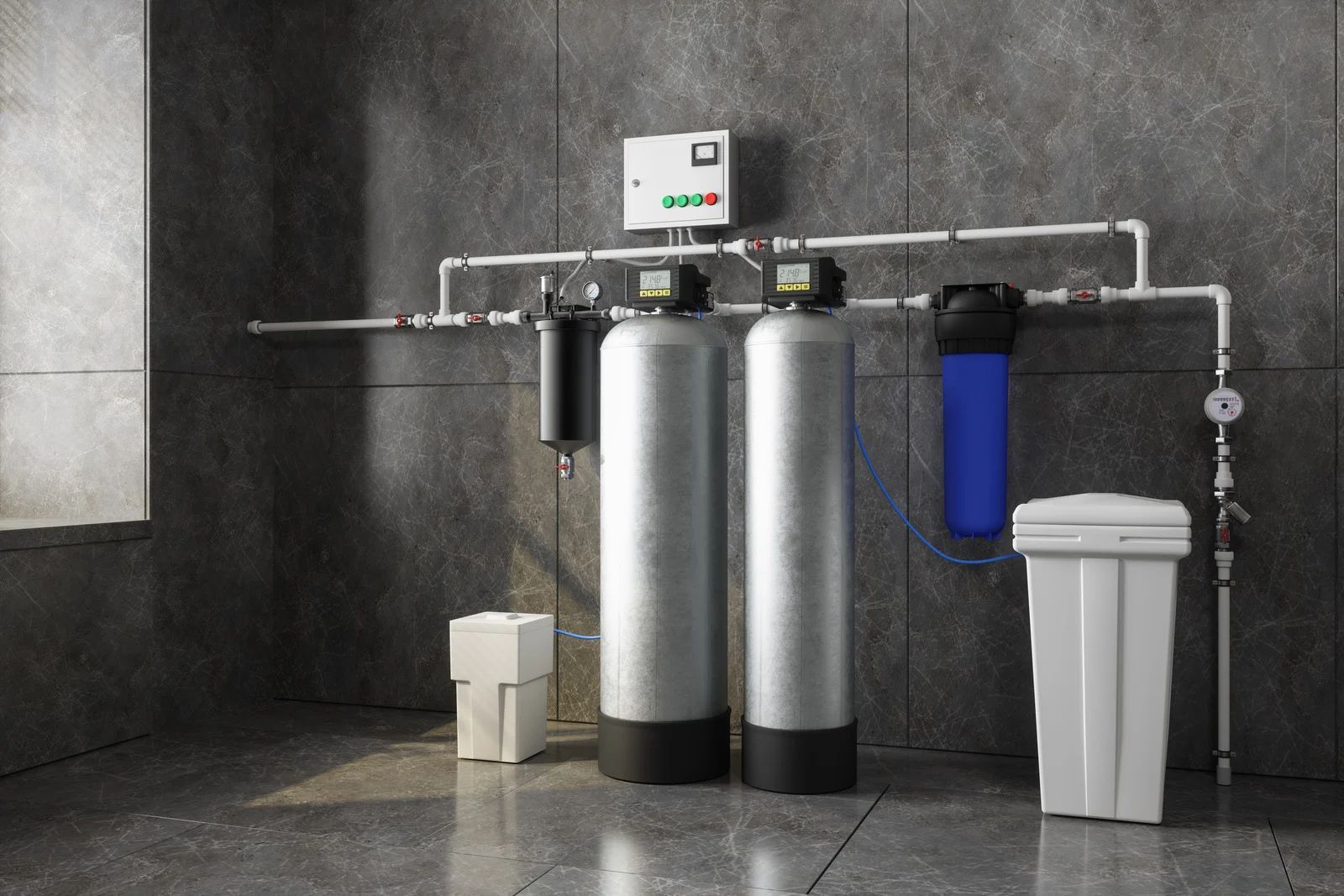
Water treatment is matched to the problem: there are systems designed to address sulfur (the rotten-egg smell), iron, sediment, and other common water issues. The point is that these aesthetic problems are treatable, you don't have to live with rotten-egg odor or metallic, staining water just because it's the season.
Aim for consistent water year-round
A properly designed treatment system can smooth out the seasonal swings, so the heavy-rain changes that used to show up at your tap are handled and your water stays consistent whether it's the wet season or the dry. That consistency is often the real goal for homeowners tired of the annual cycle.
Get a professional's read
Because Central Florida water, with its sulfur, iron, and well-driven supply, has its own character, and because the right system depends on your specific water and situation, a water-treatment professional can test your water, explain what's driving the seasonal change, and recommend the approach that fits. That's how you go from riding the seasonal swings to having water you don't have to think about.
The encouraging takeaway is that seasonal water changes are both normal and addressable. Understanding them removes the worry, and treating them, if you choose to, removes the annual hassle.
Consistent Water, Rain or Shine
If your Central Florida water smells or tastes different after heavy rain, you're seeing a normal seasonal pattern: the wet season raises the water table, washes material into the groundwater, and stirs up wells, shifting the sulfur, iron, sediment, and organic matter that affect how your water smells and tastes. It comes and goes with the weather, and it's usually an aesthetic change rather than a crisis, which is reassuring. But you don't have to ride the cycle every year. By identifying what's in your water and treating for it, you can smooth out the seasonal swings and enjoy consistent water no matter what the Florida sky is doing.
Enjoy water that stays consistent through every rainy season — That rotten-egg, earthy, or metallic change after heavy rain is the wet season shifting sulfur, iron, and sediment in your water, and you don't have to ride the cycle every year. With 28 years of experience, Love My Home Water Solutions provides water treatment services for homeowners throughout DeBary, FL, testing your water, identifying what's driving the seasonal changes, and designing a treatment system that keeps your water clean and consistent. Reach out for a water test and get off the seasonal roller coaster for good.
➜ FAQ’s
frequently asked questions.
Why does my water smell different after heavy rain?
Because heavy rain changes the water at its source. It raises the water table, washes organic matter and minerals into the groundwater, and can stir up wells, shifting the levels of sulfur, iron, sediment, and organic material in your water. Those changes show up at the tap as a different smell or taste. It's a normal seasonal pattern, especially noticeable in well-reliant Central Florida.
What is the rotten-egg smell in my water?
That's hydrogen sulfide, sulfur in the water, and it's common in Florida groundwater and wells. Seasonal changes after heavy rain can make it more noticeable. It's unpleasant but generally an aesthetic issue rather than a safety emergency, and it's very treatable with the right water-treatment system designed to address sulfur.
Is it safe to drink water that smells different after rain?
Most seasonal smell and taste changes are aesthetic, affecting how the water smells, tastes, and looks rather than being an emergency. Even so, a sudden or dramatic change, especially big shifts in color or cloudiness or a strong new odor after flooding, is worth having your water tested to be sure. When in doubt, testing tells you what's actually going on rather than guessing.
Why does the smell go away in the dry season?
Because the changes are rain-driven. When heavy rain raises the water table and stirs the groundwater, the source water shifts and the smells appear; as things dry out, the groundwater settles and the water often returns closer to normal. That come-and-go-with-the-weather pattern is a clear sign the cause is seasonal source-water change, not a fixed plumbing problem.
Can I do anything about it, or do I just wait it out?
You can absolutely address it. While you can ride out the seasonal cycle since it's usually aesthetic, water treatment can even out these swings so your water stays consistent year-round. The key is identifying what's causing the smell or taste, sulfur, iron, sediment, organic matter, and treating for that specific issue, rather than living with the annual change.
Does this affect city water too, or just wells?
Wells tend to show it most directly, since they draw straight from the groundwater that rain changes. But even municipal water can have seasonal shifts in taste and odor as its source water changes through the wet season. Either way, if the change bothers you, point-of-use or whole-home treatment can address taste and odor at your tap.
How do I know what's actually in my water?
By testing it. Because the right treatment depends on what's causing the smell or taste, identifying what's in your water, and at what levels, is the starting point. A water-treatment professional can test your water, explain what's driving the seasonal change, and recommend a system matched to your specific water, so you end up with consistent water rather than seasonal surprises.
ADDITIONAL BeaRS STORIES